How to Have a ‘Sexual State of the Union’
Addressing intimacy isn’t always easy, here are some strategies for openly talking about sex.

Sara Andreasson
How to Have a ‘Sexual State of the Union’
By Catherine Pearson for The New York Times
In her new book, the sex educator Emily Morse argues that every couple should have a frank conversation — ideally, once a month.
Work, kids, health — countless factors can get in the way of good sex. But Emily Morse, a sex educator, believes one roadblock tends to loom larger than the others.
“Most of the sexual problems in our relationships have nothing to do with sex, and everything to do with communication,” Ms. Morse writes in her new book, “Smart Sex.”
Addressing intimacy isn’t always easy, she acknowledged: “Conversations around sex are not normalized at all.” But Ms. Morse’s raison d’être across her various platforms is to encourage people to talk openly about sex — to identify what they want, and to learn how to say it.
Here are some strategies Ms. Morse suggests.
1. Keep it brief.
2. Expect it to be awkward
3. Start by asking: ‘What would you like to see more of in our sex life?’
4. Pay attention to timing, tone and turf.
Read the full article here to learn more about each suggestion.
Being Anxious or Sad Does Not Make You Mentally Ill
If you have recently been told that you have a mental-health malady such as depression or anxiety, you are far from alone. The rates at which these diagnoses are being made have exploded over the past few years.

Jan Buchczik
Being Anxious or Sad Does Not Make You Mentally Ill
By Arthur C. Brooks for The Atlantic
If you have recently been told that you have a mental-health malady such as depression or anxiety, you are far from alone. The rates at which these diagnoses are being made have exploded over the past few years.
The coronavirus outbreak and its associated lockdowns isolated people, causing widespread increases in feelings of loneliness and distress, which still persist. But some studies have shown that the phenomenon began before the pandemic, so other reasons for it must exist as well. One commonly identified factor is excessive social-media use, which can substitute for in-person relationships, intensify social comparison, and elevate loneliness. Still another reason (which I have written about previously) is the increase in political polarization, which can lead people to hate one another—feelings of depression and anxiety are elevated in those who direct hatred toward out-groups.
But one other explanation is emerging for the huge increase in population-wide estimates of mental-health diagnoses: the tendency to see stress and sadness as evidence that something is broken inside you. For many who have them, of course, anxiety and depression are medical problems that absolutely require treatment. But other cases exist for which we may have inadvertently pathologized perfectly healthy emotions—leading many people to believe they are ill simply because they’re reacting normally to the challenges in their lives.
Here are three things to remember, especially in your lower moments.
1. We are all anxious and sad.
Decades ago, the researcher Christopher Boorse uncovered a seemingly strange fact: By the ordinary criteria for mental disorders, the population at large is no less disturbed than the population of clinical patients. In truth, this isn’t so strange when we recall that distress is a dial, not a switch, and no one’s dial is at zero. The first Noble Truth of Buddhism is, after all, dukkha—that everyone suffers and suffering is part of the world. But forgetting this is easy when you’re told that you have a specific mental condition, and when you feel isolated and alone in your pain.
You are not defective simply for feeling distress.
2. The goal is not to eradicate suffering.
It is normal and healthy to want relief from your suffering, but futile and dangerous to try to eradicate all of your pain. Think of it this way: When you have a headache, you want a Tylenol to take the edge off, but not narcotics strong enough to numb you completely. Emotional self-management—through meditation or prayer, or with the help of therapy—is like Tylenol, so that you can regain a bit more comfort and control.
3. Your happiness requires unhappiness.
The 20th-century self-improvement writer Norman Vincent Peale wrote a wildly best-selling book called The Power of Positive Thinking, in which he exhorted readers to start each day by reciting Psalm 118:24: “This is the day the Lord has made. We will rejoice and be glad in it.” As a young man, I sometimes did this and gave thanks for the positive, happy things in my life as I did so. Today, I realize this was too narrow a reading of that verse. The psalmist is not saying “Be grateful for the fun stuff” but rather “Be grateful for all of it.” That means both the fun parts I want and the hard parts I need, so that I stay alert, mourn loss, learn, and grow.
Read the full article here.
The Benefits of Morning Meditation
Starting a regular practice doesn’t have to be hard — it can take as little as five minutes as soon as you wake up.

Lorenzo Gritti
The Benefits of Morning Meditation
By Holly Burns for The New York Times
Starting a regular practice doesn’t have to be hard — it can take as little as five minutes as soon as you wake up.
If you’re new to meditating, it can be hard to know where to start. So start small — with five minutes of breathing exercises to calm and focus the mind every morning.
Read the full article here to learn how to kick off your day — every day — with a quick and simple meditation.
4 Phrases to use when fighting with your partner
When you find yourself in a storytelling spiral, pause and remind yourself that you care about the person who has upset you, Real said. Then ask if it’s a good time to talk.

Pablo Delcan
Fighting With Your Partner? Use These 4 Phrases.
Brevity is key, experts say.
By Jancee Dunn for The New York Times
When you find yourself in a storytelling spiral, pause and remind yourself that you care about the person who has upset you, Real said. Then ask if it’s a good time to talk.
If they’re open to hearing about your frustrations, use these four statements:
1. “This is what I saw or heard.”
2. “This is what I made up about it.”
3. “This is how I felt.”
4. “This is what would help me feel better.”
Read the full article here for details on each statement to help you navigate difficult moments.
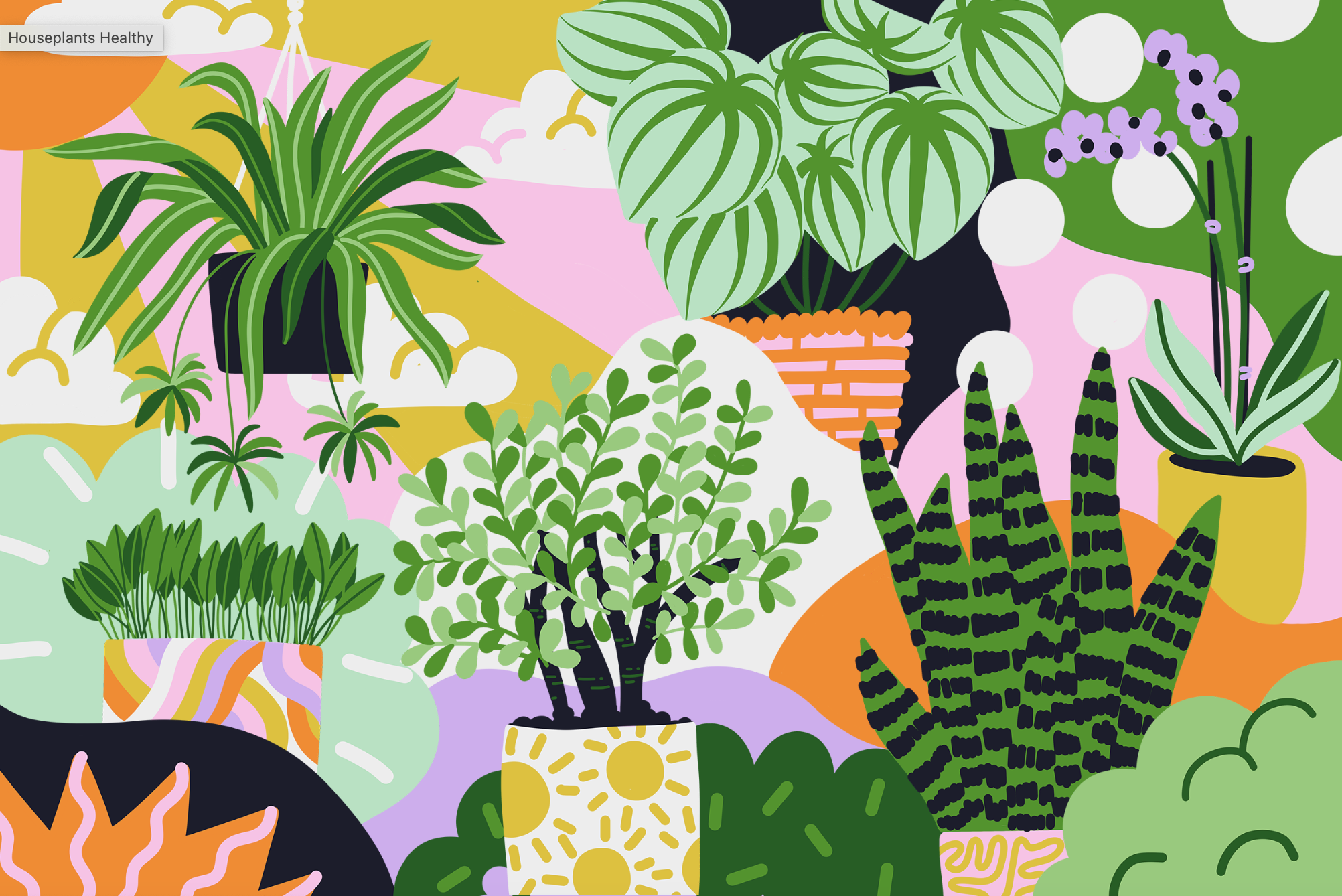
Indoor Plants Have Surprising Benefits
Plants are soothing. In one study, researchers asked people to repot a houseplant or complete a short computer-based task, and afterwards, they checked participants’ heart rate and blood pressure.

Illustration by Kim Sielbeck for TIME
Your Houseplants Have Some Powerful Health Benefits
By Angela Haupt for Time
Plants are soothing. In one study, researchers asked people to repot a houseplant or complete a short computer-based task, and afterwards, they checked participants’ heart rate and blood pressure. Then the groups switched tasks. After working with plants, people reported feeling comfortable and soothed, and their blood pressure dropped. The computer task, on the other hand, caused them to feel uncomfortable and “artificial,” and was associated with a spike in blood pressure and sympathetic nervous system activity. The findings suggest that “indoor plants can reduce physiological and psychological stress,” the study authors concluded.
Connect with your green thumb by reading the full article here.
4 ways to find and build meaningful connections for mental health
4 ways to find and build meaningful connections for mental health. Connect with your inner self and others; explore forms of spirituality; and set boundaries to deepen connections.

(Celia Jacobs for The Washington Post)
4 ways to find and build meaningful connections for mental health
Connect with your inner self and others; explore forms of spirituality; and set boundaries to deepen connections
Advice by Gregory Scott Brown, MD for The Washington Post
Feeling disconnected can be detrimental to mental health, but having connections — whether to other people, interests and work — may not be enough. Many of us can say that we have close relationships with family members and friends, and are connected, often overly, to work, social media and interests, but the quality of those connections may not make us feel fulfilled.
Disconnection has been linked to loneliness and mental health conditions such as anxiety and depression. Some patients may need to be evaluated by health-care professionals and could be helped by therapy and medication.
There are several ways to create these connections, and not all involve being with people.
Visit the full article here to explore these suggestions for connection.
Why you feel grouchy on super hot days
Why you feel grouchy on super hot days?
What we know — and what we don’t — about how heat affects mental health.

Why you feel grouchy on super hot days?
What we know — and what we don’t — about how heat affects mental health.
By Allie Volpe for Vox
Extreme heat impacts everything it touches — the body, infrastructure, plant life — and even things it doesn’t. It’s hard to ignore the physical sensations of discomfort and sweat on a hot day, but high temperatures can have a negative effect on mental health, too. Given the record-breaking heat bearing down on the US, Europe, China, and Iran, millions of people may be feeling a change in their mood.
Explore what is going on to cause these mental health issues in the full article here.
Summer Recommendations
As with most of Phillips' writings, On Wanting to Change and On Getting Better do not argue or persuade points so much as lead the reader Socratically down a forking path of questions about our preoccupation with changing ourselves, how to do it, and the allure or a personal story built upon ideas of evolution and a trajectory of progress.

Recommendations from Seth Stewart
On Wanting to Change and On Getting Better by Adam Phillips
As with most of Phillips' writings, On Wanting to Change and On Getting Better do not argue or persuade points so much as lead the reader Socratically down a forking path of questions about our preoccupation with changing ourselves, how to do it, and the allure or a personal story built upon ideas of evolution and a trajectory of progress. Both of these compact volumes relate to a broader conversation about the ways in which what is out of reach, unattained, or "not us" appear to actually drive and shape much of who we are.Time is a Mother by Ocean Vuong
Written after the passing of Ocean Vuong's mother, Time is a Mother contains the fullness and complexity of grief. Sadness and celebration come in equal measure, and within this slim collection of poetry Vuong is somehow able to speak in all the roars and whispers that make up the language of loss.
Recommendations from Michelle Scott
TV Show: The Bear
Trans artist Kim Petra released a new album last month that has been my anthem for summer!
Recommendations from Rebecca Hirsch
Podcast: Wiser Than Me- Julia Louis-Dreyfus (Elaine on Seinfeld and Selina on Veep) interviews women who are wiser than her (age 70+) about all things perspective, grief, joy, and overall life lessons. She starts each episode with a brief anecdote about her guest and ends up with a sweet recap phone call to her mother. Favorite episodes include Jane Fonda, Isabelle Allende, and Amy Tan!
Coffee Shop: Cafe Nido, a new Silverlake coffee shop located inside the old Tenant of the Trees. Beautiful place to sip a cup of coffee and read a book--plus it feels like you're transported to being in Mexico City. They have books for free to read while there or rent for $5/month!
Perspective: Being a beginner. I recently took up tennis as a hobby. Aside from getting outside and moving my body, what i've loved most is soaking up the joy of being a beginner. It has facilitated a space for me to take time balancing being kind to myself as I learn, while also finding moments of joy laughing at some of the silly mistakes I make. Highly recommend finding a way to try out being a beginner at something!
Recommendations from Joanna Greenbaum
Wild LA: Explore the Amazing Nature in and Around Los Angeles
I got a copy of Wild LA after a trip to the Natural History Museum in 2019. It is an easy read you can pick up anytime to learn about native species or inspire a new way to spend a day in Los Angeles. Although it is a good resource year-round, it is a nice little Summer handbook for a solo adventure, to share with friends, or even kids would enjoy.
Recommendations from Jessica Sardas
Music Album: Comfort To Me by Amyl and the Sniffers
I recently discovered this female led punk band out of Australia… and this album in particular! The lyrics are empowered, contemporary, relevant and unapologetic. So amped and so fun!Artist: Sho Madjozi is a South African rapper I’m really enjoying, introduced to me by a friend/colleague. Her music has a unique quality that for me sparks a sense of felt inspiration… a wild sense of letting oneself be truly free creatively.
Book: Alex Ketchum's Ingredients for Revolution explores the question ‘What makes a restaurant feminist?’ Alex starts in 1972 with the opening of Mother Courage in New York. This book launches into explorations around how far reaching the food and hospitality industry can be, and how restaurants with a feminist mindset are thinking about all aspects of the industry from farm laborers to work place practices.
Recommendations from Jocelyn Gee
Book: The Wisdom of Your Body: Finding Healing, Wholeness, and Connection Through Embodied Living
For those who struggle with body image, summertime can bring up a lot of self-consciousness and anxiety. Maybe this is the summer you're ready to release harmful messages you've received about your body and come back home to yourself. Clinical psychologist and researcher Hillary McBride's excellent book The Wisdom of Your Body: Finding Healing, Wholeness, and Connection Through Embodied Living offers insights into how many of us have become disconnected from our bodies and provides a roadmap to healing this sacred relationship.
Recommendations from Rebecca O’Krent
My summer rec is a podcast called Maintenance Phase, which takes a critical look at all things diet culture, weight loss, and wellness. The hosts approach the science behind the wellness industry from a fat-positive, critical scientific lens, and listening to them debunk everything from the most outlandish to deeply held cultural beliefs around health is simultaneously healing and highly entertaining.
Recommendations from Sophie Shekarchian
Pageboy is a memoir by Elliot Page. It delves into Page's relationship with his body, his experiences as one of the most famous trans people in the world, and he circumvents topics like mental health, assault, love, relationships, sex, and the shadow side of Hollywood.
Reading Lolita in Tehran by Azar Nafisi is a memoir about the author’s life and experiences as an Iranian woman. She recounts her memories of living in Iran, including teaching at universities and Allameh Tabataba’i University during the 1970s and 1980s. The novel also discusses her departure from Iran to America in the mid 90s.
The Creative Act (2023) is a meditative manifesto by record producer, Rick Rubin. It is about what it really means to be an artist. It affirms that everyone is inherently artistic. He shares insights on how to access that creative artistry within us by finding moments of creativity in the fabric of our everyday lives.
Podcast: Therapists Uncensored - a podcast of conversations rooted in attachment and relational psychology hosted by queer married couple, Dr. Ann Kelley, PhD and Sue Marriott, LCSW.
Recommendations from Negar Sarshar
Book: Fair Play by Eve Rodsky
Rodsky wrote this book to address discrepancies in domestic labor that reflect society’s tendency to value men's over women’s time. She notes that women in cisgender heterosexual couples tend to hold a disproportionate amount of the responsibilities, even when the woman works outside the home. Rodsky cautions against the dangers of the notion that "Time is money," reminding us that all time is created equal; when we honor this truth in our families, we give the same respect and gratitude to the time that goes into making dinner as we do to the time dedicated to an office desk for a paycheck. She created a card game with 100 household tasks to help partners divvy up chores in a way that feels equitable (not necessarily equal!) to both parties. Rodsky asserts that creating balance in household duties can help diminish the resentment that is born out of unfairness – without this resentment, couples create space to reconnect and thrive.

6 things people do around the world to slow down
Is living too fast turning your life into a blur? How can you slow down to see things clearly and savor them more?

6 things people do around the world to slow down
By Carl Honoré for We Humans Ted
Is living too fast turning your life into a blur? How can you slow down to see things clearly and savor them more?
Shinrin yoku
Eco-therapy. Green time. Wilderness cure. Whatever name you hang on it, spending time in nature is a wonderful way to slow down. In Japan, spending time in nature is called shinrin yoku (“forest bathing”) — and Japanese doctors prescribe it to their patients.Fika
The Swedish word fika translates as “coffee and cake break,” yet it means so much more than that. Fika is a mindset: slowing down, being present, savoring the moment.Forget slurping a latte while walking down the street and using your phone. When you fika, you put away the screens and sit down somewhere cozy. You sip your coffee (or your drink of choice). You nibble on a delicious cake or cookie. And you enjoy a proper chat with someone.
Slow Radio
A rich soundscape can transport you anywhere and offer refuge from the frenzy of modern life. That’s why I love Slow Radio on the BBC.Ubuntu
One of my favorite proverbs is: “If you want to go fast, go alone. If you want to go far, go together.”It’s a reminder that a slower life is built on strong relationships. That spirit is captured by the word ubuntu, which means “I am because we are” in the Zulu and Xhosa languages of southern Africa.
Dolce far niente
In a world terrified of wasting time, doing nothing feels like a crime or a sin.I’m here to say: It is neither! Because idleness is an art form.
It offers sweet relief from the daily grind and the relentless pressure to achieve, and Italians call it il dolce far niente.
Trust me: Once you get over the guilt, doing nothing is actually very easy. Put down tools, turn off your phone, stop striving and then … sink into the moment.
Indian Head Massage
Massaging the head has been a tool of Ayurvedic medicine for thousands of years. And no wonder.Whatever your view on chakras, a good head massage has been shown to relieve stress and headaches as well as kickstart the lymphatic system. It can leave you feeling relaxed and better able to concentrate.
A head massage from an expert is the ultimate luxury. But you can also go the DIY route. Place three fingers at the point where your neck joins your head just behind the ear. Then rub your fingers back and forth. Within 30 seconds, you’ll feel a warm, slow glow.
Learn more about each option here.

A Private War: Why PTSD Is Still Overlooked
A Private War: Why PTSD Is Still Overlooked
Experts say millions of people are affected by trauma, which has become a buzzword and a meme. So why aren’t more of them being treated?

Debora Cheyenne Cruchon
A Private War: Why PTSD Is Still Overlooked
Experts say millions of people are affected by trauma, which has become a buzzword and a meme. So why aren’t more of them being treated?
“PTSD doesn’t always have a linear trajectory, and there’s no clear mark of recovery. For Ms. Haye, working closely with a therapist has helped her recognize and respond to her symptoms; she’s easing her way to sleeping through the night.”
Read the full article here.
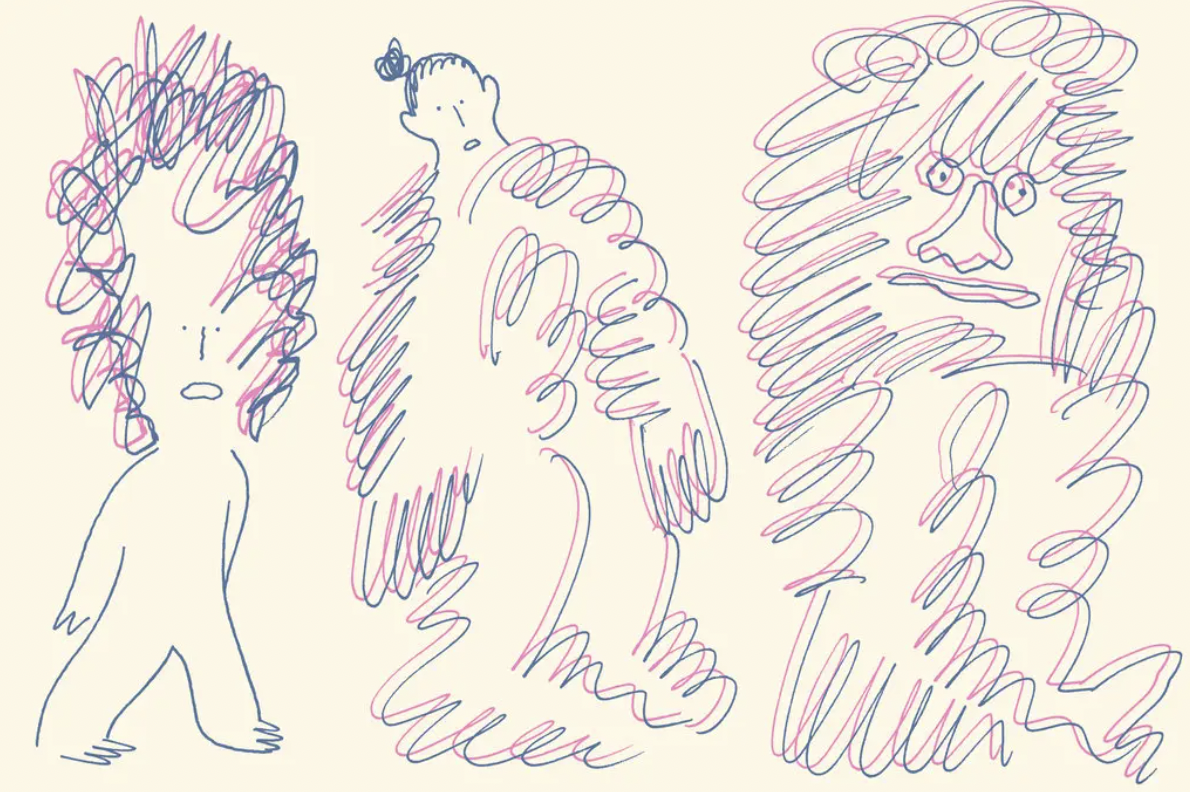
Stress, Worry and Anxiety Are All Different. How Do You Cope With Each?
How would you define the differences between stress, worry and anxiety? Which do you think you’ve experienced, and what strategies have you used for coping?

Stress, Worry and Anxiety Are All Different. How Do You Cope With Each?
By Jeremy Engle for the New York Times
How would you define the differences between stress, worry and anxiety? Which do you think you’ve experienced, and what strategies have you used for coping?
What is worry?
Read the full article here.
SLP Series: Queer Embodiment
As Pride month draws to a close, we want to celebrate and support our LGBTQIA+ community. We hope your Pride month was fulfilling, and we stand alongside our fellow Lesbian, Gay, Trans, Queer, Questioning, Intersex, Asexual, Agender, and beyond individuals, not just in June, but throughout the year. In this newsletter, I will introduce the concept of queer embodiment.

SLP Series: Queer Embodiment
By Sophie Shekarchian
As Pride month draws to a close, we want to celebrate and support our LGBTQIA+ community. We hope your Pride month was fulfilling, and we stand alongside our fellow Lesbian, Gay, Trans, Queer, Questioning, Intersex, Asexual, Agender, and beyond individuals, not just in June, but throughout the year. In this newsletter, I will introduce the concept of queer embodiment.
Before exploring queer embodiment, it is vital to acknowledge and honor the diverse continuum of identities encompassed within the LGBTQIA+ community. It is essential to understand that not all individuals in this community identify with the term queer. Furthermore, it is crucial to recognize the profound impact of different forms of trauma, including those rooted in racism, heterosexism, classism, and sexism. These traumatic experiences can have far-reaching consequences, leading to a diminished sense of self, psychological dislocation, devaluation, complex grief and loss, feelings of rage, a mindset focused on survival, and an intense longing for dignity and a sense of belonging.
It is especially important to consider this in the current climate, where there has been a surge in legislation aimed at restricting the rights of transgender and nonbinary people. In 2023 alone, over 500 bills have been introduced in the United States with the intention of curbing these rights. Many of these measures have already been enacted into law, imposing restrictions on crucial aspects such as gender-affirming medical care, name and gender marker changes, restroom access, and participation in sports and public performances.
It is critical to approach the topic of queer embodiment with an understanding of these broader contextual and psychosocial factors. In addition to this understanding, the following insights are offered from my personal, psychological, and academic perspectives, which have inherent limitations. However, my hope is that they may still serve as a source of inspiration to explore your own sense of queer embodiment.
So, what exactly is embodiment? It refers to feeling deeply connected to the physical sensations in our body, mind, and spirit, as well as feeling connected to those around us.
When we use the term queer, we are reclaiming a word that has historically been used pejoratively. In the context of queer embodiment, queer represents an alternative way of living, deviating from conditioned heteronormativity. It encompasses an embodied identity, sexuality, behavior, and a unique way of living and navigating the world. As bell hooks once stated, queer is about being at odds with everything around you and finding a place to speak, thrive, and live authentically.
Queer embodiment is a way for us to be curious and explore the way systemic constraints have been internalized and the ways in which our full somatic presence can be freeing. By connecting with others and ourselves, not solely for the pursuit of productivity and societal ideals but as a form of resistance to them, we can tap into the profound sense of aliveness, life force, and love that is inherent within us. By centering queer joy as well as metabolizing and releasing dominant narratives and doctrines, we nestle space between joy and pain, allowing us to be there. Feeling seen through camaraderie and taking risks through a shared desire to rest, here are some ways to find both bite-sized and expansive moments to embody queerly:
Immersing oneself in nature through hiking, appreciating the beauty of the clouds, and being mindful of the soles of our feet as they touch the ground outside.
Engaging in creative activities like preparing nourishing foods, creating collages with old magazines (example pictured) and uninhibitedly dancing to nostalgic songs.
Connecting with others and cultivating chosen family through sports leagues, classes, events, shared humor, and laughter.
Practicing internal attunement by implementing breath-work and yoga into our life practice.
Engaging in a conscious practice of distancing ourselves from our devices by deliberately leaving our phones in another space during our sleep and making an active effort to stay away from them for about one hour before going to bed and one hour after waking up.
Cultivating healthy dependency dynamics by engaging in the potentially nurturing process of caring for animals through fostering or rescuing.
Being emotionally mirrored and validated through reading, sharing, and listening to the personal stories and testimonials of LGBTQ+ individuals.
Advocating for trans rights by supporting gender affirming care and other trans issues by reaching out to your senators and letting them know the harm these anti-trans laws are causing. As well as, never assuming a person’s pronouns and correcting ourselves, apologizing, and quickly moving on when getting it wrong.
Integrating humility by practicing curiosity and non-judgement when relating to others and self.
Experiencing intimate human connection through consensual erotic intimacy and practicing effective communication of wants, needs, and desires.

Some of these practices may help us normalize the nonlinearity of queerness and life, tap into our inner wisdom, and cultivate a deeper sense of connection and embodiment.
Psychotherapy itself has the incredible potential to align with queer embodiment. It provides a dedicated space that becomes uniquely ours, where we can openly navigate the challenges we face and discover a sanctuary to express ourselves, flourish, and discover our authentic identities. Through therapy, we are empowered to cultivate self-awareness, embrace the complexities and contradictions within ourselves, and foster meaningful connections within our own being, our community, and the world around us.
By fostering connections in therapy and with nature, animals, and kindred beings, we can defy societal judgments and false-self pursuits based on heteronormative expectations. I in no way intend to downplay the struggles of surviving within our societal frame, but by embracing queer embodiment, we have the potential to center our capacity to live authentically and uncover profound meaning in the fabric of our daily lives.
Additional Resources

Books
The Politics of Trauma by Stacie Haines
Podcast
Healing Intergenerational and Ancestral Trauma with Linda Thai (Series SRIW, Ep 5, 206)
Healing intergenerational trauma and building secure relations within ourselves and our communities with brain & body modalities - Linda Thai
Listen to the episode here.
Articles
Bold. Fearless. Flourishing. Tap into L.A.’s LGBTQ+ scenes
Article written by Sophie Shekarchian


The 25 Most Influential Works of Postwar Queer Literature
The 25 Most Influential Works of Postwar Queer Literature
By Kurt Soller, Liz Brown, Rose Courteau, Kate Guadagnino, Sara Holdren, Brian Keith Jackson, Evan Moffitt, Miguel Morales, Tomi Obaro, Coco Romack, Michael Snyder and June Thomas for The New York Times

The 25 Most Influential Works of Postwar Queer Literature
By Kurt Soller, Liz Brown, Rose Courteau, Kate Guadagnino, Sara Holdren, Brian Keith Jackson, Evan Moffitt, Miguel Morales, Tomi Obaro, Coco Romack, Michael Snyder and June Thomas for The New York Times
Six opinionated writers debate — and define — the state of L.G.B.T.Q. writing in order to make a list of the most essential works of fiction, poetry and drama right now.
If there’s no single definition of what it means to be queer — a word whose meaning seems to shape-shift constantly, just like the culture around it — then there’s perhaps no consensus on what defines queer literature as a genre either. Still, one thing many queer people share is that we first discovered ourselves on the page. Often furtively, we read novels or recited poems or watched plays that seemed not only to speak exclusively to us, but also showed us a way of speaking about ourselves to others.
But among those works we sought out in school libraries or online, which have been the most influential in making and furthering queer culture?
Discover the list here.

'Pride' How The Word Became Connected With Gay Rights
“We think of Pride — capital P — in terms of community: Men, women and nonbinary people loudly claiming their existence, their contribution to society and culture, and their ability to love,” he wrote. “But no one will ever know exactly how each of us learned self-acceptance or how to create community from that acceptance.”

A Word That Became a Point of Pride
By Sarah Diamond for The New York Times
Visit the full article here to trace ‘Pride’ has changed throughout the history of the newspaper.
“We think of Pride — capital P — in terms of community: Men, women and nonbinary people loudly claiming their existence, their contribution to society and culture, and their ability to love,” he wrote. “But no one will ever know exactly how each of us learned self-acceptance or how to create community from that acceptance.”

I Love My Trans Daughter, but I’m Still Struggling
Last summer when my son came home from college, he told my husband and me that he is trans. He said he is a girl, and I am having trouble with this. I’m not conservative. I love and accept her, but I’m worried for her.

Dear Therapist: I Love My Trans Daughter, but I’m Still Struggling
I don’t know how to process what I’m going through.
By Lori Gottlieb for The Atlantic
Dear Therapist,
Last summer when my son came home from college, he told my husband and me that he is trans. He said he is a girl, and I am having trouble with this. I’m not conservative. I love and accept her, but I’m worried for her.
Read the response here.

Why 'coming out' can take a lifetime
I wouldn't broach the topic of my sexuality with my family until I was 19, at university, and in a long-term relationship with my boyfriend. As I braced myself for that conversation, I told myself that this uncomfortable moment would last just a few minutes, and that I would never have to face it again.

Emmanuel Lafont
Why 'coming out' can take a lifetime
By David Robson for BBC
”I wouldn't broach the topic of my sexuality with my family until I was 19, at university, and in a long-term relationship with my boyfriend. As I braced myself for that conversation, I told myself that this uncomfortable moment would last just a few minutes, and that I would never have to face it again.
I couldn't have been more wrong: I would have to come out again and again, whenever I started a new job, met a stranger who asked if I had a wife, or go for a hospital appointment that asks for my next of kin. I prefer to be open but at the back of my mind, there is always a slight unease about the possibility of hostility or aggression – and sometimes those fears are justified.”
Read the full article here.
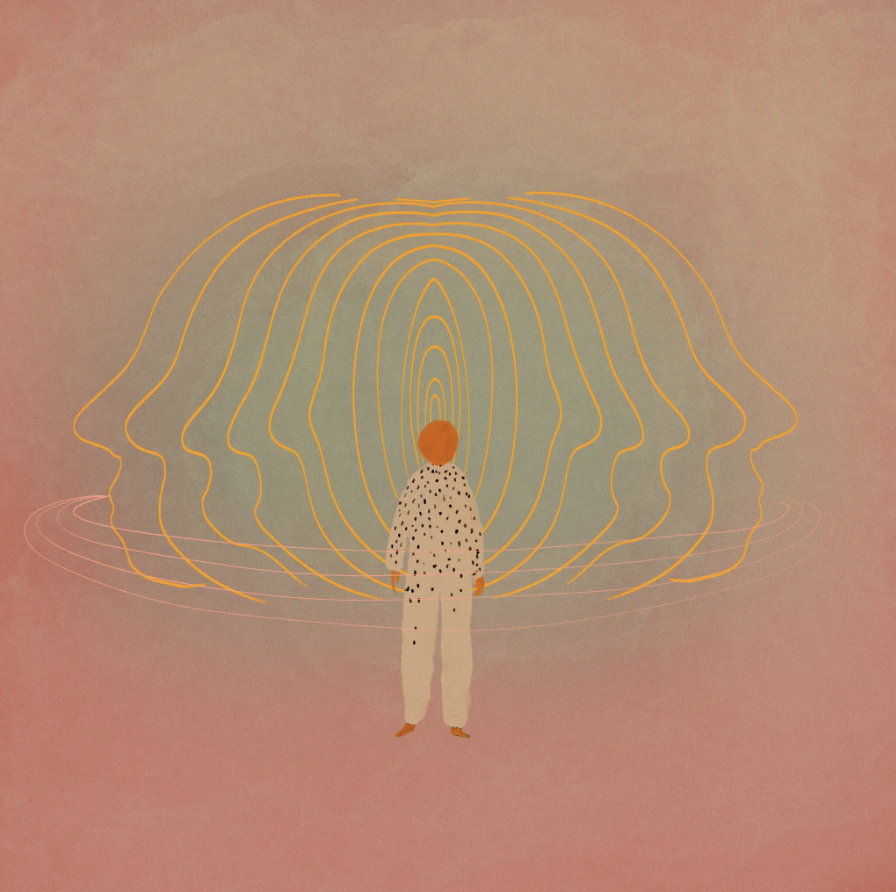
He Lives in the Double Helix of My Cells, but I Do Not Know Him
Zach Gottlieb explores how wanting to know his donor led them to seeing the Fathers that were already present in his life.

He Live In The Double Helix of My Cells, but I Do Not Know Him
By Zach Gottlieb for The New York Times
Zach Gottlieb explores how wanting to know his donor led them to seeing the Fathers that were already present in his life.
”It’s a strange thing to feel the absence of someone you can’t picture, an ache you can’t name. After all, it’s not like I missed a particular dad, just the idea of one. But what I didn’t understand until I heard that CD is that it wasn’t just a father I was missing — it was also a piece of my identity.
We all have a need to know where we come from and what shapes us into the people we are. Genetics mold us in some ways, but no matter how much I learned about my donor, he still felt like a stranger. All those things I imagined doing with my biological father? I was already doing those things with people who shaped who I am in far more meaningful ways.
I decided not to contact my donor because I realized that I’d had fathers all along — dozens of them. There were teachers, coaches, other people’s dads, family friends, my beloved grandfather.”
Read the full article here.
LGBTQ+ Glossary
Language is an extremely powerful tool. It allows us to generate ideas, share stories, and learn and grow from others. Whether spoken, signed, or written, all languages are constantly evolving, and, despite their imperfections, can help us better understand our world and communicate our perspective with others.

Language is an extremely powerful tool. It allows us to generate ideas, share stories, and learn and grow from others. Whether spoken, signed, or written, all languages are constantly evolving, and, despite their imperfections, can help us better understand our world and communicate our perspective with others.
Many LGBTQ+ people use labels to express who they are. These labels can help listeners like you and me understand who that person is and how they wish to identify. Some labels are often used universally by LGBTQ+ people, while others relate to the following concepts specifically:
Read the glossary on It Gets Better here.

Queer Youth Resilience & Mental Health
Every day, queer teens and young adults are challenged by the politicization of gender identity and sexual orientation and the rise in anti-LGBTQ+ discrimination. And the mental health consequences are alarming.

Queer Youth Resilience & Mental Health
Every day, queer teens and young adults are challenged by the politicization of gender identity and sexual orientation and the rise in anti-LGBTQ+ discrimination. And the mental health consequences are alarming.
This episode explore the unique issues that queer young people face during the adolescent years in-particular.
Listen here.

Want to Fix Your Mind? Let Your Body Talk.
Somatic therapy is surging, with the promise that true healing may reside in focusing on the physical rather than the mental.

Want to Fix Your Mind? Let Your Body Talk.
By Daniel Bergner for The New York Times
Somatic therapy is surging, with the promise that true healing may reside in focusing on the physical rather than the mental.
In therapy, whether we’re troubled by low-grade suffering or besieged by forces more powerful and unrelenting, we tend to expect that talking our way toward insight will lead us to become at least somewhat better, less burdened, even happier beings. The mind is the way in and the way out. But a core S.E. (somatic experiencing) principle is that, though we may assume otherwise, we live “from the bottom up,” as S.E. practitioners say, and the content of emotional states ranging from common anxiety and depression to the onslaught of full-blown post-traumatic stress disorder arrives in our brains from the neural circuitry running throughout our bodies. S.E. upends beliefs about the mind as the origin and essential locus of our feelings.
Read the full article here.