
Why does it hurt so much when we get ghosted?
Caring about what people think is a protective process, designed to help us build a net of belongingness and safeguard us against the loss of love.

Lucy Jones
Why does it hurt so much when we get ghosted? A psychologist explains
By Michelle Drouin PhD
When someone ignores us, it leaves us wondering — and wondering can be maddening. We are left craving answers about the relationship and unable to force them to come. And when those relationships are valuable to us, our anxiety increases as the hours and days tick by.
But the uncertainty related to ghosting is not what really causes us pain. Certainly we want to know, but more than wanting to know, we crave human connection.
Ghosting is a signal of a weak or strained connection. So ghosting actually hits us at an even greater point of vulnerability: Our desire to belong and be loved. Ghosting is a big red flag that we might be losing someone we love or someone we wanted to love.
Read the full article here.
How to Save Yourself From ‘Task Paralysis’
These expert tips can help you snap out of your frozen state and bring your control center back online.

Janik Söllner
How to Save Yourself From ‘Task Paralysis’
Your brain can see your to-do list as a threat. Here’s how to get things done anyway.
By Dana G. Smith for The New York Times
Ordinarily, the prefrontal cortex, which is critical for planning, decision-making and self-regulation, keeps more emotional parts of the brain in check. But during times of stress, the balance shifts and regions like the amygdala, which is responsible for identifying threats, can start to take over.
These expert tips can help you snap out of your frozen state and bring your control center back online.
Shrink the elephant task
Incentivize yourself
Whatever you do, don’t avoid it
Read the article for more information on each tip here.
Marriage Is a Team Sport
If your relationship is a little too competitive and not collaborative enough, there are a few effective steps to consider.

Marriage Is a Team Sport
Approach disagreements with your partner not as a “me,” but as a “we.”
By Arthur C. Brooks for The Atlantic
If your relationship is a little too competitive and not collaborative enough, there are a few effective steps to consider.
1. More we, less me.
2. Put your money on your team.
3. Treat your fights like exercise.
Collaboration requires people to choose to work together, not to cease being individuals. There is no “us” when one or both lose the self.
Read the full article here.
How Should We Think About Our Different Styles of Thinking?
Grandin likes the idea that there are two kinds of visual thinkers, because it helps make sense of differences between like-minded people.

How Should We Think About Our Different Styles of Thinking?
By Joshua Rothman for The New Yorker
Some people say their thought takes place in images, some in words. But our mental processes are more mysterious than we realize.
“I raised my hand to say something and suddenly realized that I had no idea what I planned to say. For a moment, I panicked. Then the teacher called on me, I opened my mouth, and words emerged. Where had they come from? Evidently, I’d had a thought—that was why I’d raised my hand. But I hadn’t known what the thought would be until I spoke it. How weird was that?
In the recent book “Visual Thinking: The Hidden Gifts of People Who Think in Pictures, Patterns, and Abstractions,” Temple Grandin explains that her mind is filled with detailed images, which she can juxtapose, combine, and revise with verve and precision.
In “Thinking in Pictures,” Grandin suggested that the world was divided between visual and verbal thinkers. “Visual Thinking” gently revises the idea, identifying a continuum of thought styles that’s roughly divisible into three sections. On one end are verbal thinkers, who often solve problems by talking about them in their heads or, more generally, by proceeding in the linear, representational fashion typical of language. (Estimating the cost of a building project, a verbal thinker might price out all the components, then sum them using a spreadsheet—an ordered, symbol-based approach.) On the other end of the continuum are “object visualizers”: they come to conclusions through the use of concrete, photograph-like mental images..”
A yes-or-no test designed by the psychologist Linda Silverman to divide verbal people from visual ones:
Do you think mainly in pictures instead of words?
Do you know things without being able to explain how or why?
Do you remember what you see and forget what you hear?
Can you visualize objects from different perspectives?
Would you rather read a map than follow verbal directions?
Visual people tend to answer yes to more of these questions
Read the full article here to learn about our different styles of thinking.

Many teens struggle with mental health issues. Here are tips for parents.
Working on managing your own emotions, asking the right questions and helping to determine the level of support they need are effective ways to empower adolescents

Many teens struggle with mental health issues: Here are tips for parents.
By Jenny Taitz for The Washington Post
As a clinical psychologist, I often find myself sitting across from college students struggling with challenges such as anxiety and suicidality, who confide that their parents don’t get it. Not surprisingly, I also work with parents of young adults who want to help their children but can’t seem to connect. It can be disheartening that people who matter deeply to each other misread cues at critical emotional junctures, but part of what I teach parents is how to help their teens feel heard and supported so they can move forward.
I’ve seen even the most well-meaning parent panic when their child is struggling with mental health issues, then inadvertently say the wrong thing such as, “you’re overreacting.” Sometimes they offer children too much space, assuming their teenager will come to them with a problem. But there are effective ways to empower your adolescent, including working on managing your own emotions, asking the right questions and helping to determine the level of support they need.
Here are some of Taitz’s suggestions:
Practice being kind and nonjudgmental
Don’t be a “snowplow parent”
Give them hope
Ask about self-harm thoughts
Lean on research-based approaches
For her full description of each suggestion visit the article here.

The Best Way to Comfort Someone When They’re Sad
A limited yet growing body of research suggests that one of the most powerful ways to support someone is also the simplest: Start a conversation.

The Best Way to Comfort Someone When They’re Sad
By Melinda Wenner Moyer for the New York Times
When a friend, partner, family member or co-worker is upset, you’ve probably wondered how best to make them feel better. Let them vent? Offer a chocolate bar? Give them space so they can have a good cry? The ideal approach depends on the person and the context, experts say. But a limited yet growing body of research suggests that one of the most powerful ways to soothe a person’s feelings is to start a conversation.
Read the full article here.
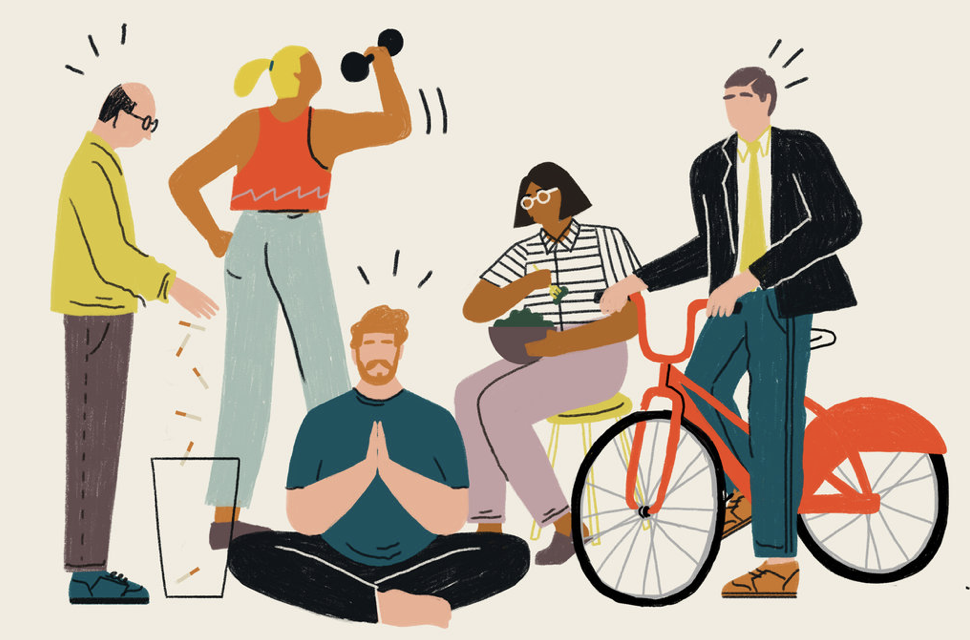
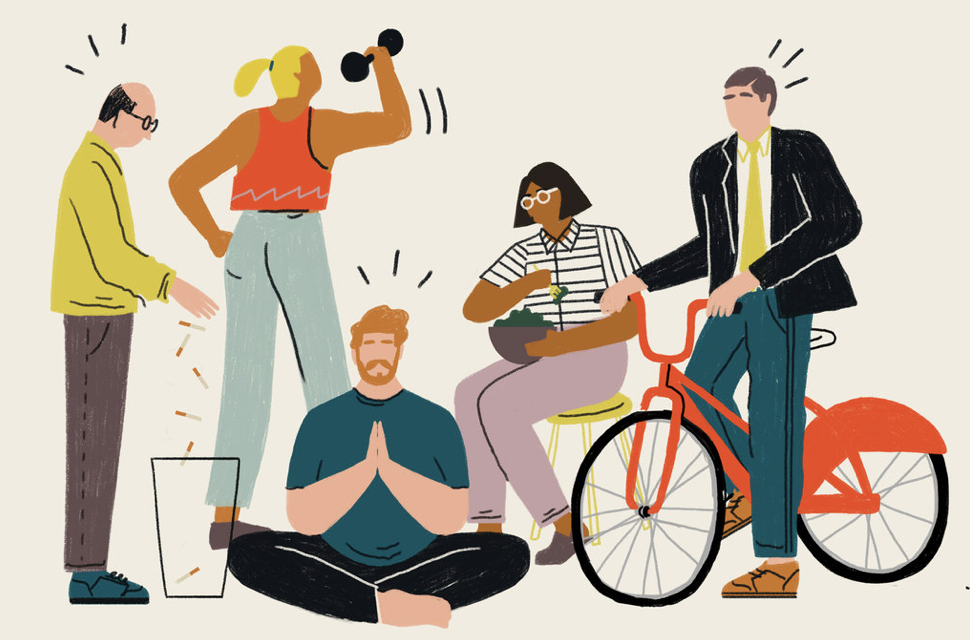
How to Make (and Keep) a New Year's Resolution
Here’s how to identify the right resolution to improve your life, create a plan on how to reach it, and become part of the small group of people that successfully achieve their goal.
Abbey Lossing
How to Make (and Keep) a New Year's Resolution
By Jen A. Miller for The New York Times
Are you making a resolution in the new year? Warning: More than half of all resolutions fail, but this year, they don’t have to be yours. Here’s how to identify the right resolution to improve your life, create a plan on how to reach it, and become part of the small group of people that successfully achieve their goal.
Read the full article here which guides you these sections:
Pick the right resolution
Create your plan
Leap over Hurdles
Find a Community
If you Miss Your Goal

How to Fend Off Holiday Stress, from People Who Should Know
A UPS driver, a baker and Santa’s helper share advice for staying present through the season.

How to Fend Off Holiday Stress, from People Who Should Know
By Jancee Dunn for the New York Times
A UPS driver, a baker and Santa’s helper share advice for staying present through the season.
Read the full article here.
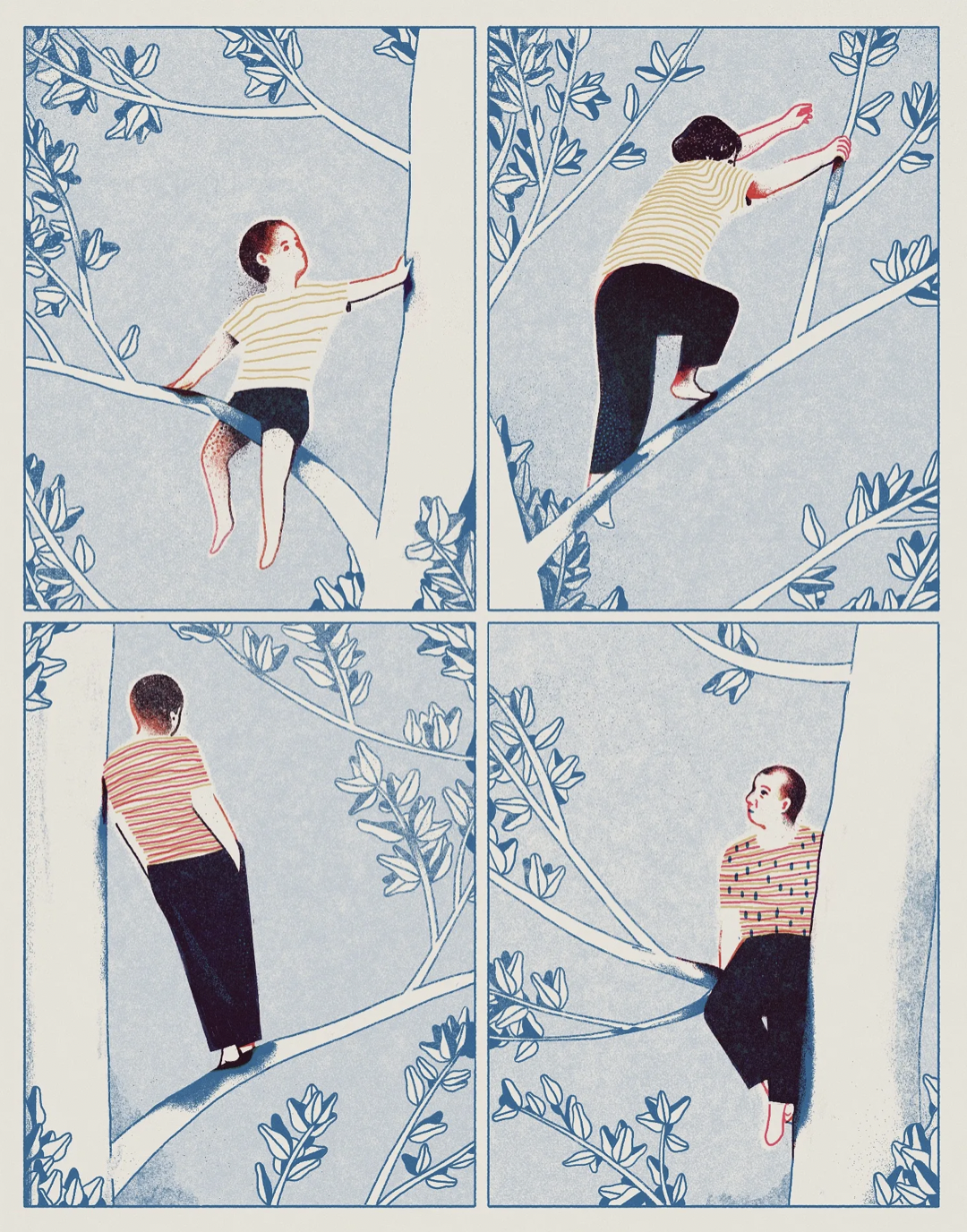
Are You the Same Person You Used to Be?
Are we the same people at four that we will be at twenty-four, forty-four, or seventy-four? Or will we change substantially through time? Is the fix already in, or will our stories have surprising twists and turns?

Are You the Same Person You Used to Be?
By Joshua Rothman for The New Yorker
Are we the same people at four that we will be at twenty-four, forty-four, or seventy-four? Or will we change substantially through time? Is the fix already in, or will our stories have surprising twists and turns? Some people feel that they’ve altered profoundly through the years, and to them the past seems like a foreign country, characterized by peculiar customs, values, and tastes. (Those boyfriends! That music! Those outfits!) But others have a strong sense of connection with their younger selves, and for them the past remains a home.
Try to remember life as you lived it years ago, on a typical day in the fall. Back then, you cared deeply about certain things (a girlfriend? Depeche Mode?) but were oblivious of others (your political commitments? your children?). Certain key events—college? war? marriage? Alcoholics Anonymous?—hadn’t yet occurred. Does the self you remember feel like you, or like a stranger? Do you seem to be remembering yesterday, or reading a novel about a fictional character?
The alternative perspective—that you’ve always been who you are—bears values, too. James Fenton captures some of them in his poem “The Ideal”
A self is a self.
It is not a screen.
A person should respect
What he has been.
This is my past
Which I shall not discard.
This is the ideal.
This is hard.
On the other hand, some of us want to disconnect from our past selves; burdened by who we used to be or caged by who we are, we wish for multipart lives.
Read the full article here.
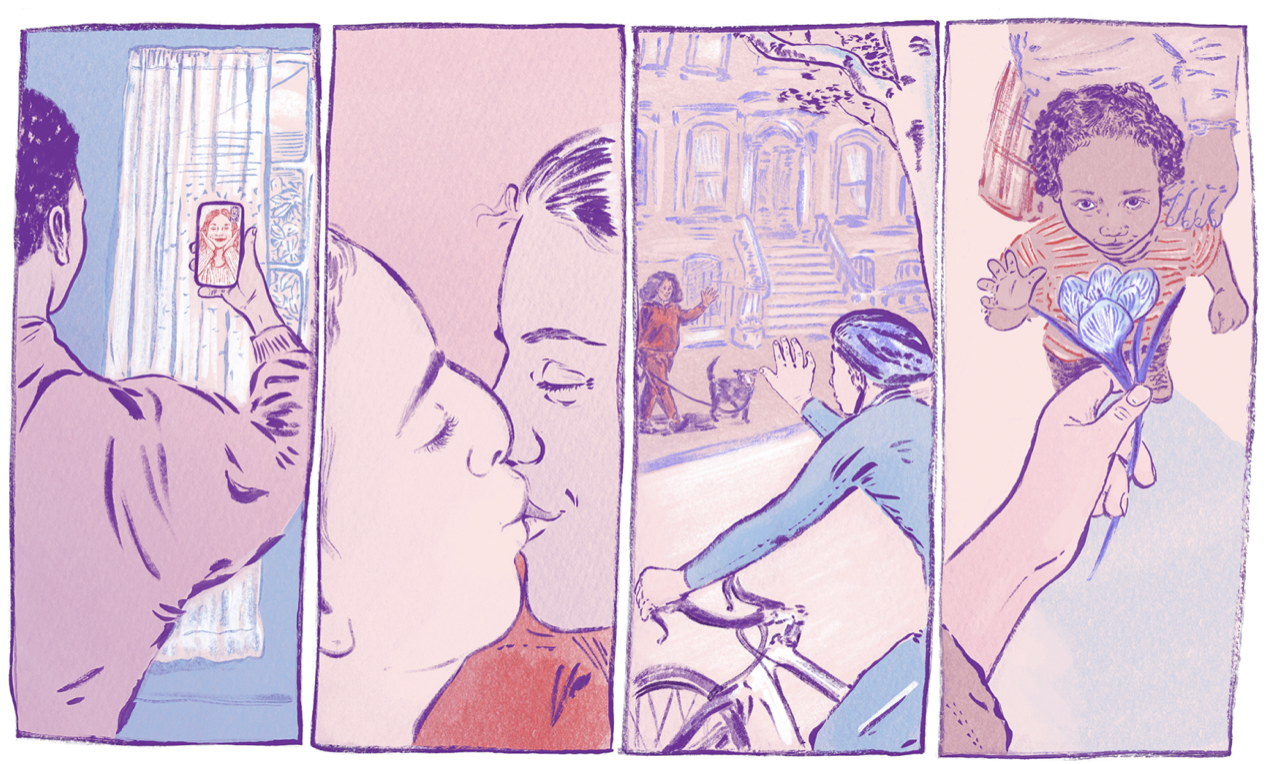
6 relationship resolutions to make this year
Making small changes in our relationships can yield big results.

Krystal Quiles
By Carol Bruess for We Humans
Most of us intuitively know that having close, supportive relationships is important to our general happiness and well-being, and decades of scientific research confirm that human connection not only affects our mental health but is also a key determinant to how long we’ll live and how physically healthy we’ll be during those years.
As Robert Waldinger PhD, the director of the long-running Harvard Study of Adult Development (aka “the longest study on happiness”), says in his TED Talk, “People who are more socially connected to family, to friends, to community are happier; they’re physically healthier; and they live longer than people who are less well connected.”
And we’re not just talking about your intimate, family and spousal relationships. All types of human connection — from the social to the professional, from the people you volunteer with to the man behind you in line at the grocery store — count.
The good news: Making small changes in our relationships can yield big results.
Change the words you’re thinking about other people
Create tiny moments of positivity during your day
When you and your partner argue, hold hands with them (really!)
Ask an open-ended question of someone in your life every day
Schedule time to spend with your best friends
Deliver an overdue apology
Read the full article here for details on each small change.

Why talking to strangers is good for you, them and all of us
Instead of avoiding strangers, we need to get good at interacting with them, both to get help when we need it and to be of use to them.

Stocksy
Why talking to strangers is good for you, them and all of us
By Julie Lythcott-Haims for the We Humans section of TED
In childhood, we’re told: “Don’t talk to strangers.”
But this is short-sighted advice because after we finish high school and move out into the world, everyone we encounter is a stranger. And we’re a social species, which means we need each other.
So instead of avoiding strangers, we need to get good at interacting with them, both to get help when we need it and to be of use to them.
Learn their name so next time you can say, “Hey, Breonna, how’s your day going?” If you want to really make someone’s day, offer them some gratitude with the simple sentence: “Thank you for being here, George. I appreciate you.”
Read the full article here.

What Is Social Anxiety?
Social anxiety is one of the most common mental illnesses, but it’s still poorly understood outside of scientific circles. The good news is that it’s highly treatable

What Is Social Anxiety?
By Olga Khazan for The Atlantic
In the age of the digital hermit, a psychologist explains what it means to avoid other people—and what to do about it.
People today might not actually be avoiding social interaction any more than they did in past decades, but they’re certainly more vocal about it. The rise of digital communication seems to be spawning a nation of indoor cats, all humblebragging about how introverted they are and ordering their rides and groceries without ever talking to a human.
Sometimes reclusiveness can be a sign of something more serious, though. Social anxiety is one of the most common mental illnesses, but it’s still poorly understood outside of scientific circles. The good news is that it’s highly treatable, according to Stefan G. Hofmann, the director of the social-anxiety program at Boston University.
Read the full article here.
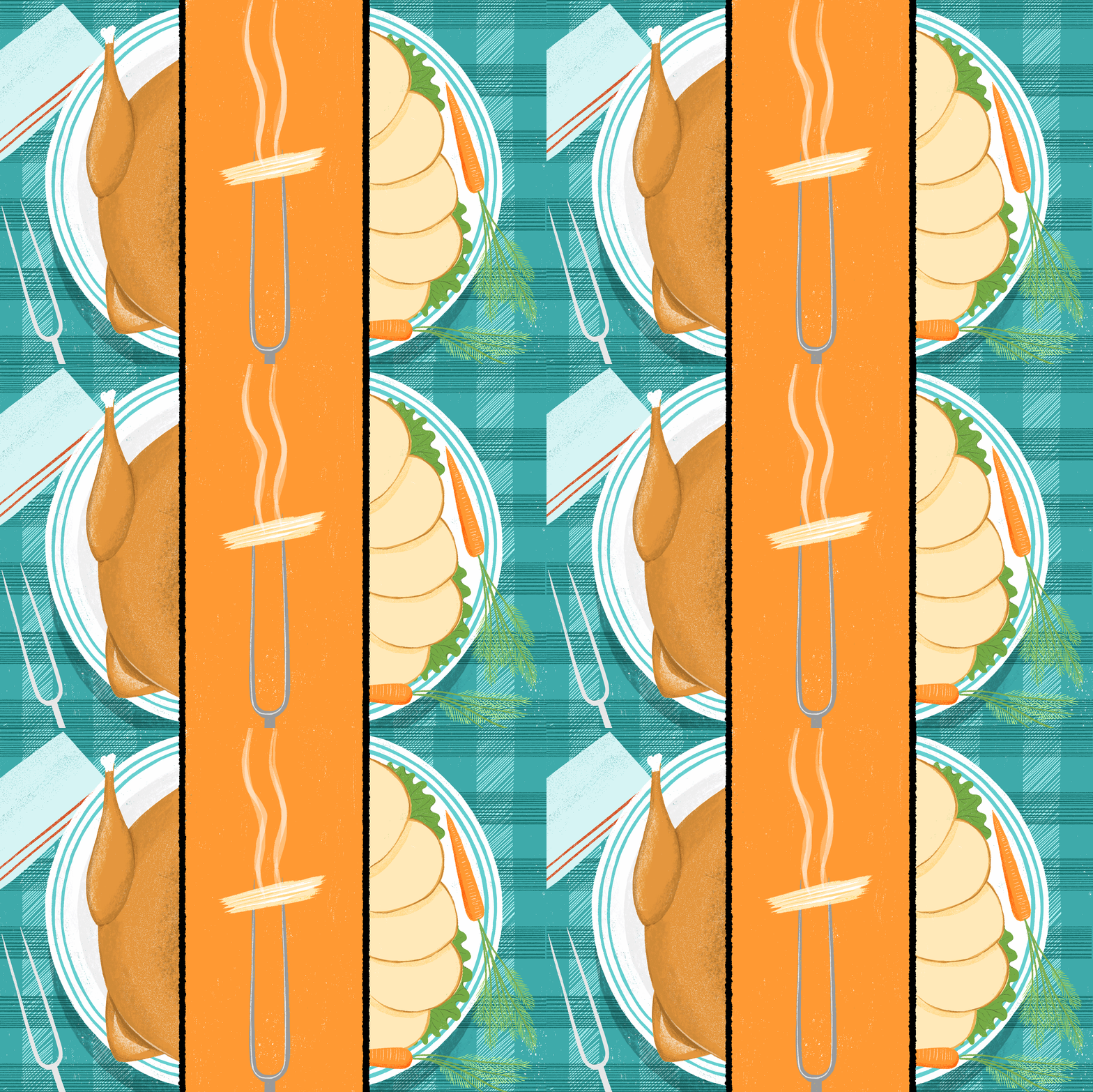
How to Be Mindful at the Holiday Table

Sam Kalda
How to Be Mindful at the Holiday Table
By David Gelles for The New York Times
“Holidays often come wrapped in memories and expectations. Mindfulness offers the gift of being present in the moment. Just show up and be interested. At holidays, this means simply being present in the moment with compassion for yourself, and others.” — Nina Smiley, director of mindfulness programming at Mohonk Mountain House.
As you sit down at the holiday table, focus on breathing slowly and deeply.
Take in the sights, without judgment.
Be aware of the tapestry of sound around you.
Smell the aromas wafting through the air.
Watch the mind. If it begins telling stories based on memories and expectations, let them go.
Return to the senses again and again, replacing stories with simply being present.
Read the full article here.
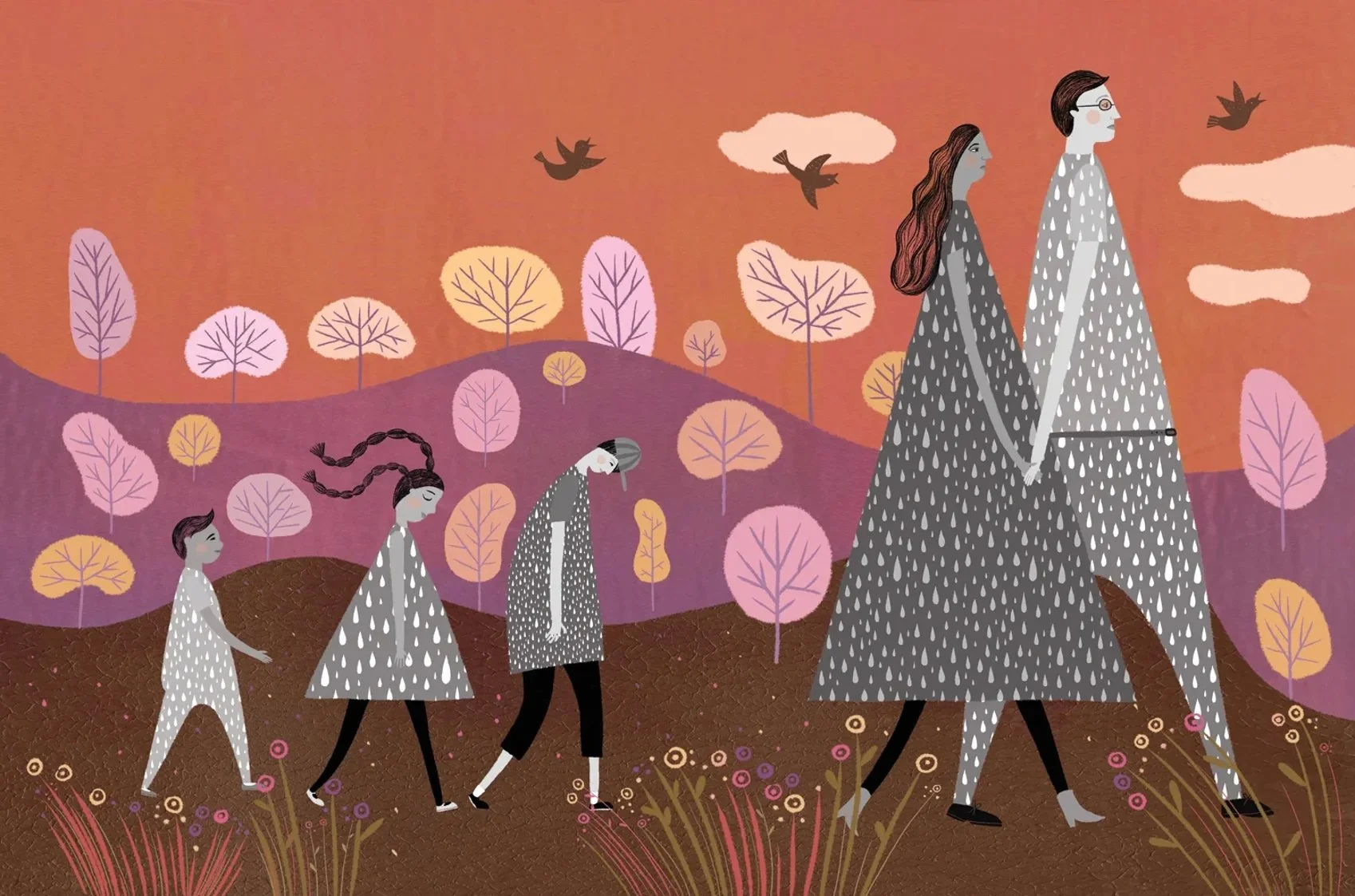
How Parents’ Trauma Leaves Biological Traces in Children
Adverse experiences can change future generations through epigenetic pathways
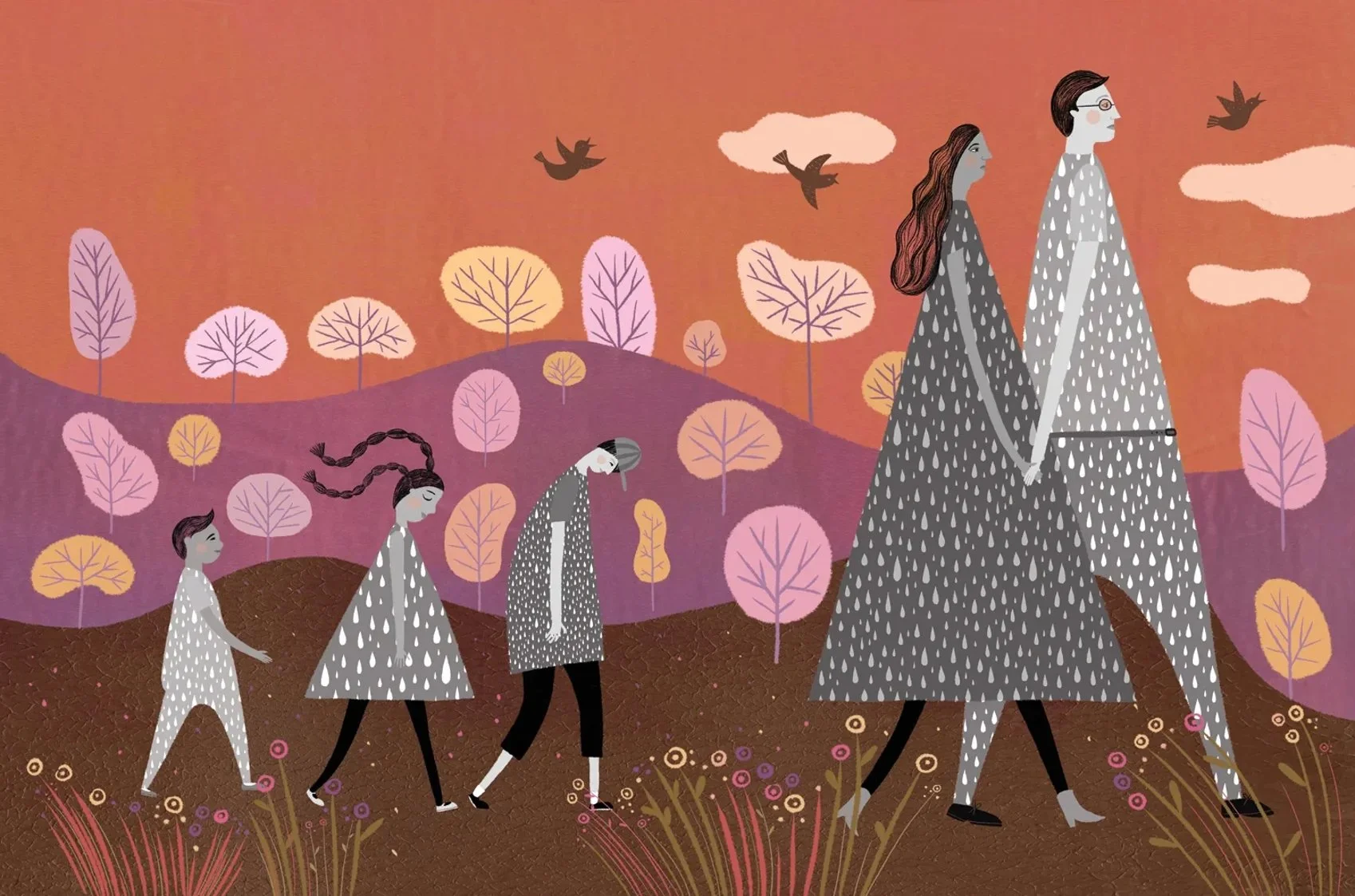
How Parents’ Trauma Leaves Biological Traces in Children
By Rachel Yehuda for Scientific America
“It is tempting to interpret epigenetic inheritance as a story of how trauma results in permanent damage. Epigenetic influences might nonetheless represent the body's attempts to prepare offspring for challenges similar to those encountered by their parents. As circumstances change, however, the benefits conferred by such alterations may wane or even result in the emergence of novel vulnerabilities. Thus, the survival advantage of this form of intergenerational transmission depends in large part on the environment encountered by the offspring themselves.”
Read the full article here.
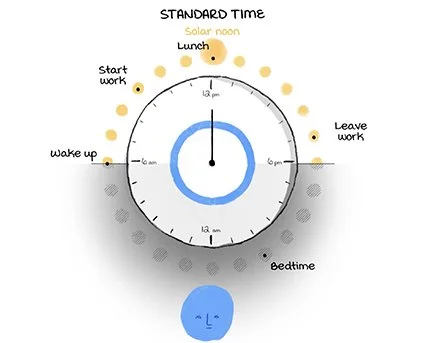
Daylight-savings time and mental health
Daylight-savings time and mental health, strategies for seasonal affective disorder and an animation to understand our bodies in relation to daylight-savings time.
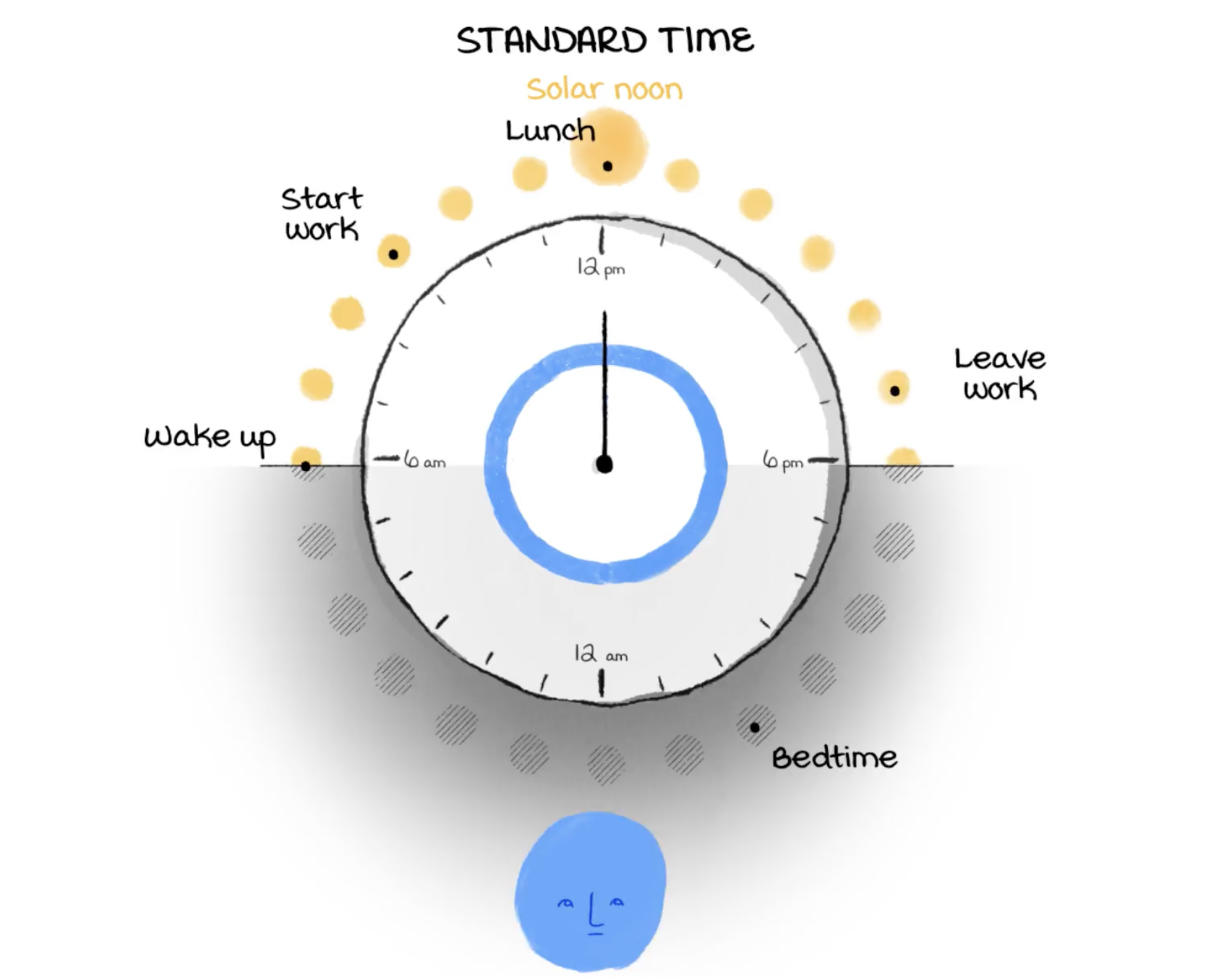
Visit The Washington Post article ‘Why daylight saving time is worse for your body than standard time’ for an animated story of what science says about changing our clocks in the fall and spring. View the animation here.
The darkness is upon us. How to maintain your mental health when daylight-saving time ends
By JESSICA ROY for the LA Times
As many as one in five Americans report “winter blues” beginning around this time of year: A late-fall funk that finds you more grouchy and lethargic. For about one in 20 Americans, symptoms rise to the level of seasonal affective disorder, or SAD.
Strategies for seasonal affective disorder
Try light therapy
Brighten up your space
Create a routine
Get moving
Practice meditation and gratitude
Spend time with family and friends
Read the full article here.

Why Adults Still Dream About School
Long after graduation, anxiety in waking life often drags dreamers back into the classroom.

Getty; The Atlantic
Why Adults Still Dream About School
By Kelly Conaboy for The Atlantic
Long after graduation, anxiety in waking life often drags dreamers back into the classroom.
“…these dreams tend to pop up when the dreamer is anxious in waking life, particularly about being evaluated by an authority figure. She’s found that people who wanted to act or play music at an early age tend to experience anxiety dreams not about school, but about auditions—in their youth, that was where they interacted with the authority figures who could most easily crush them. In each of these dream scenarios, we revisit the space where we first experienced success or failure based on our performance.”
Although science is undecided about the exact purpose of dreams, Anderson believes that dreams are the result of your mind attempting to process memories, both conscious and unconscious. Aspects of your past might come up in a dream to help you categorize new experiences (even if you aren’t conscious of the connection) and maybe, as Anderson put it, “wake up with a newly shifted mindset.”
Read the full article here.
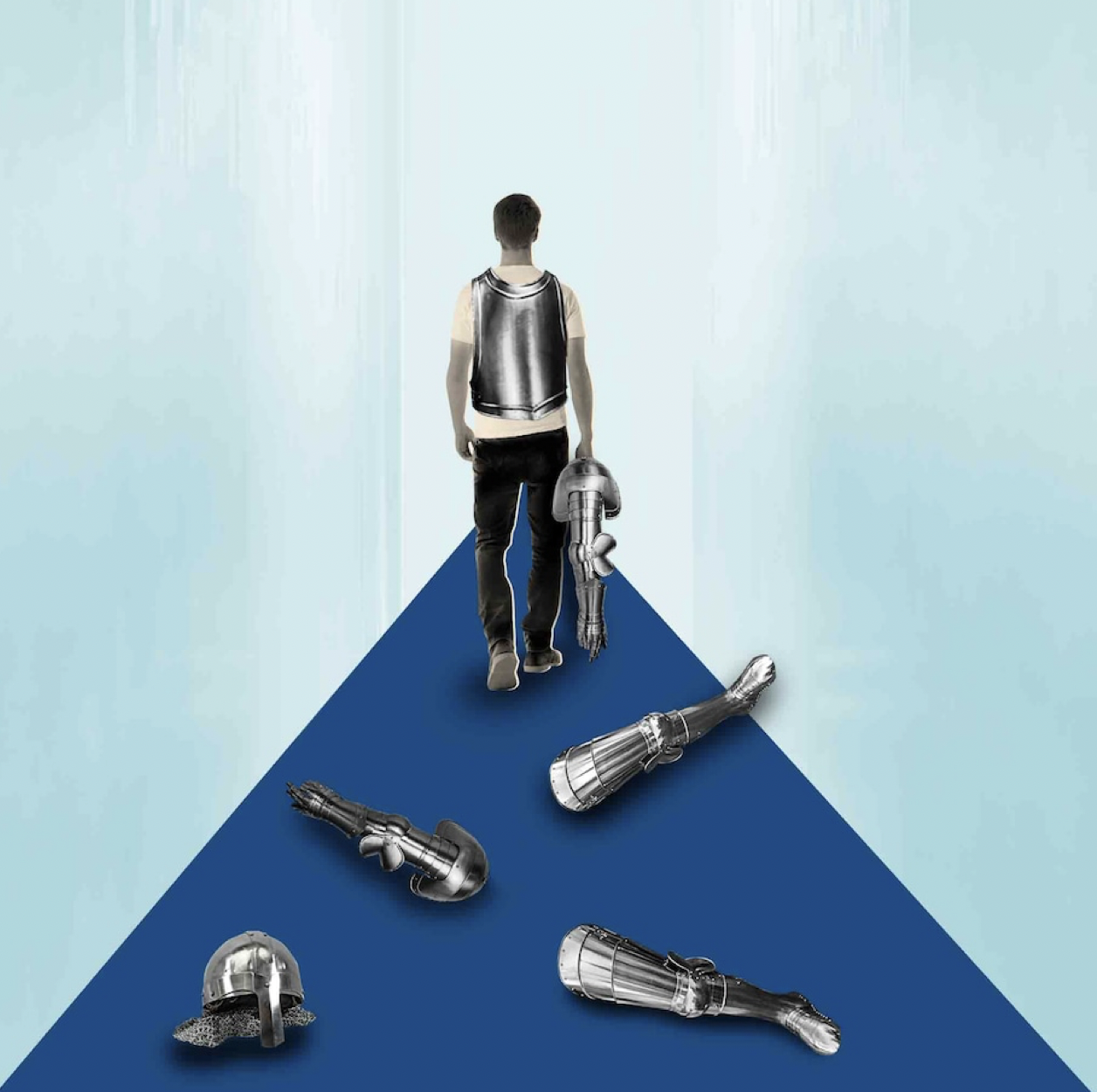
How men can save relationships by learning to be vulnerable
Therapists know that opening up to partners and spouses, and to potential rejection, builds and deepens trust, empathy and intimacy.

(Isabel Espanol/Illustration for The Washington Post)
How men can save relationships by learning to be vulnerable
By Andrew Reiner for The Washington Post
Neglecting to examine and tend to emotional needs is common to many men, it turns out. For a number of reasons — many rooted in socialized norms about masculinity — men are often taught very young to diminish, or even ignore, their emotions in relationships. They do this, however, at the expense of their relationships’ health and their own well-being. When men learn to better understand their emotional needs, the payoff can be profound.
Read the full article here.

What I needed was a rest break on the Island of Grieving and Useless Folks
In January, my husband blindsided me with divorce. Not for a moment during the prior 36 years did I doubt that we would spend the rest of our lives together.

(Celia Jacobs / For The Times)
Op Ed: What I needed was a rest break on the Island of Grieving and Useless Folks
By Firoozeh Dumas for the Los Angeles Times
”Aside from the outpouring of kindness from friends, family, strangers and animals, one realization helped me more than all else: I came to understand that the depth of grief is equal to one’s capacity to love. There is no shame in grieving. Au contraire. We should hold dear those who grieve, for they are also the ones who love fiercely. I will never apologize for sobbing in public because of a shattered heart. That heart loved deeply. And for as long as I am alive, I will make space for those who grieve.
I am now that island for grieving and useless souls.”
Read the full article here.
Why you should stop complimenting people for being 'resilient'

illustrated by Connie Hanzhang Jin
Why you should stop complimenting people for being 'resilient'
From NPR’s Podcast Life Kit
This episode of Life Kit dives into how you can reframe your relationship with resilience.
Lourdes Dolores Follins, psychotherapist and licensed clinical social worker, explains why it's OK to let yourself feel angry or frustrated sometimes — and how unexamined resilience can mask structural forces that make your life harder.
Listen to the full episode below or here.
Can’t seem to meditate? 7 joyful activities for you to try instead
The moral of this story isn’t “don’t meditate” but rather, that meditation is like many things — great for some people, but not necessarily for everyone.

Allie Sullberg
Can’t seem to meditate? 7 joyful activities for you to try instead
By Ingrid Fetell Lee for TED’s “How to be a better human” series
“I’d become so used to people extolling the virtues of meditation that I had assumed it was universally beneficial. It never occurred to me that a therapist might not recommend it, or even advise against it. When I asked why, she explained that for some people with histories of unprocessed trauma and physical dissociation, meditation can do exactly what I’d experienced — increase anxiety, prompt flashbacks or trigger other physical symptoms.”
Valuable alternatives
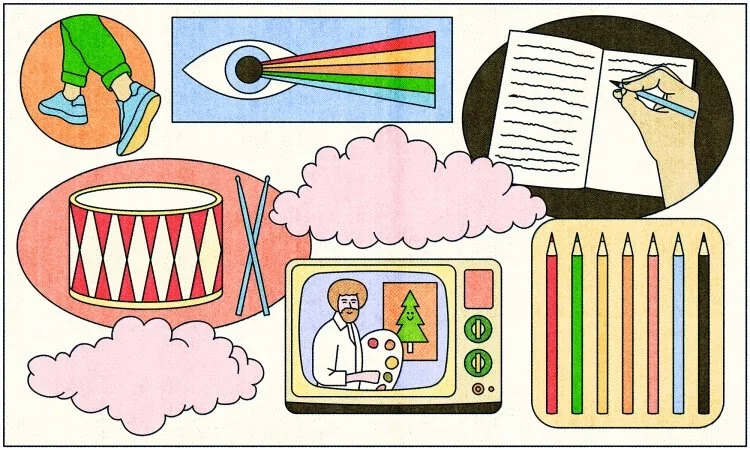
1. Visualization
2. Coloring
3. Drumming
4. Cloud Gazing
5. Morning Pages
6. Walking
7. Watching Bob Ross Painting Videos
Read the full article here.