
What does it mean to be mentally 'well'?
Ups and downs are normal. The fact that you experience difficult emotions sometimes is a good thing. It means you’re alive.

Jim Cooke / Los Angeles Times
What does it mean to be mentally ‘well’?
By Laura Newberry for Los Angeles Times
The researchers found that, in determining how mentally well you are overall, you should consider these factors:
Resiliency
Cognitive Awareness
Empathy
Daily Functioning
Personal Care
Read the full article here for detailed descriptions of each factor.


Every Moment Can't Be a 10 Out of 10
Sometimes you have to celebrate the fours, fives and sixes.

I Don’t Need My Life to Be Remarkable
By Sarah Wildman for The New York Times
“Don’t look for every moment to be a 10, she told him. Sometimes you have to celebrate the fours, fives and sixes.
I’ve come to see the wisdom in not just seeking but finding joy in the mundane, in the unremarkable, even in the frankly boring, particularly in this era of global — and personal — illness. I realize I am far from unique in my efforts to appreciate the moment. It is the essence of mindfulness, the stuff of my (often failed) efforts to meditate. But it has allowed me to stand still when I might otherwise never stop moving.”
Read the full article here.
Setting good boundaries makes you a better friend.
As daunting as it can seem, learning how to successfully set clear boundaries with your friends is important for two big reasons. First — and this may seem counterintuitive — it makes you a better friend.

Setting good boundaries makes you a better friend.
By Adam Tschorn for the LA Times
As daunting as it can seem, learning how to successfully set clear boundaries with your friends is important for two big reasons. First — and this may seem counterintuitive — it makes you a better friend.
These 3 things will get you started.
1. Communicate (early): “There’s value in starting the conversation even if you don’t immediately have the right words at the tip of your tongue. “One of the most important things is the delivery and the way you speak to your friend..,”
2. Compromise (sometimes): “Sometimes we each have to give up exactly what we want in order to bridge the gap and come closer to the middle — if it’s at all possible,” he adds. “Sometimes it’s not. Compromise is a huge area of growth for people, where you don’t get all of our needs met all the time in order to give to the friendship.”
3. Reevaluate (always): during times of transition — one friend entering a long-term relationship, for example — that revisiting set boundaries and managing expectations is key. “We want to be consistent with our boundaries, but if you’ve grown out of that boundary or the reason you set it in the first place no longer exists, you can change the boundary,” she says. “You just have to let the people around you know.
Read the full article here.
Ever say “I’ll be happy when …?” Here’s why you need to stop doing that — now
The habit of saying “I’ll be happy when …” keeps us wishing and searching instead of enjoying and living.

Bug Robbins
Every say, “I’ll be happy when…?” Here’s why you need to stop going that – now
By Ingrid Fetell Lee for TED’s “How to Be a Better Human” series
This habit of saying “I’ll be happy when …” is far more insidious than it seems on the surface.
In fact, whenever anything good happened to me, I thought, “Sure, this is nice, but I’ll be happy when I find a partner.”
The habit of saying “I’ll be happy when …” keeps us wishing and searching instead of enjoying and living.
Here’s how I stopped waiting for happiness.
Read the full article here.

How Heat Waves Take a Toll on Mental Health
The discomfort of heat, and the energy it takes for the body to cool down, can lower overall resilience. So agitation, irritation and pain become less bearable, he said.

María Medem
How Heat Waves Take a Toll On Mental Health
By Hannah Seo for The New York Times
Tens of millions of people across the United States have been enduring heat wave after heat wave this summer, in what feels like an unrelenting succession of humid days and scorching temperatures. While there’s no denying that extreme heat and humidity can be physically uncomfortable, research suggests that such conditions can be trying on your psychological well-being, too.
Studies have found links between rising temperatures and a range of mental health issues including mental fatigue, aggression and even higher rates of suicide. This connection is not just limited to surges in temperature, Dr. Obradovich said, it’s also present for people living in climates where it is consistently hot. (Though of course mental health trends can depend on a variety of factors outside of temperature, too.)
Evidence suggests that “temperature extremes can influence everything from your day-to-day mood all the way up to your probability of experiencing an acute mental health crisis,” Dr. Obradovich said.
Read the full article here.
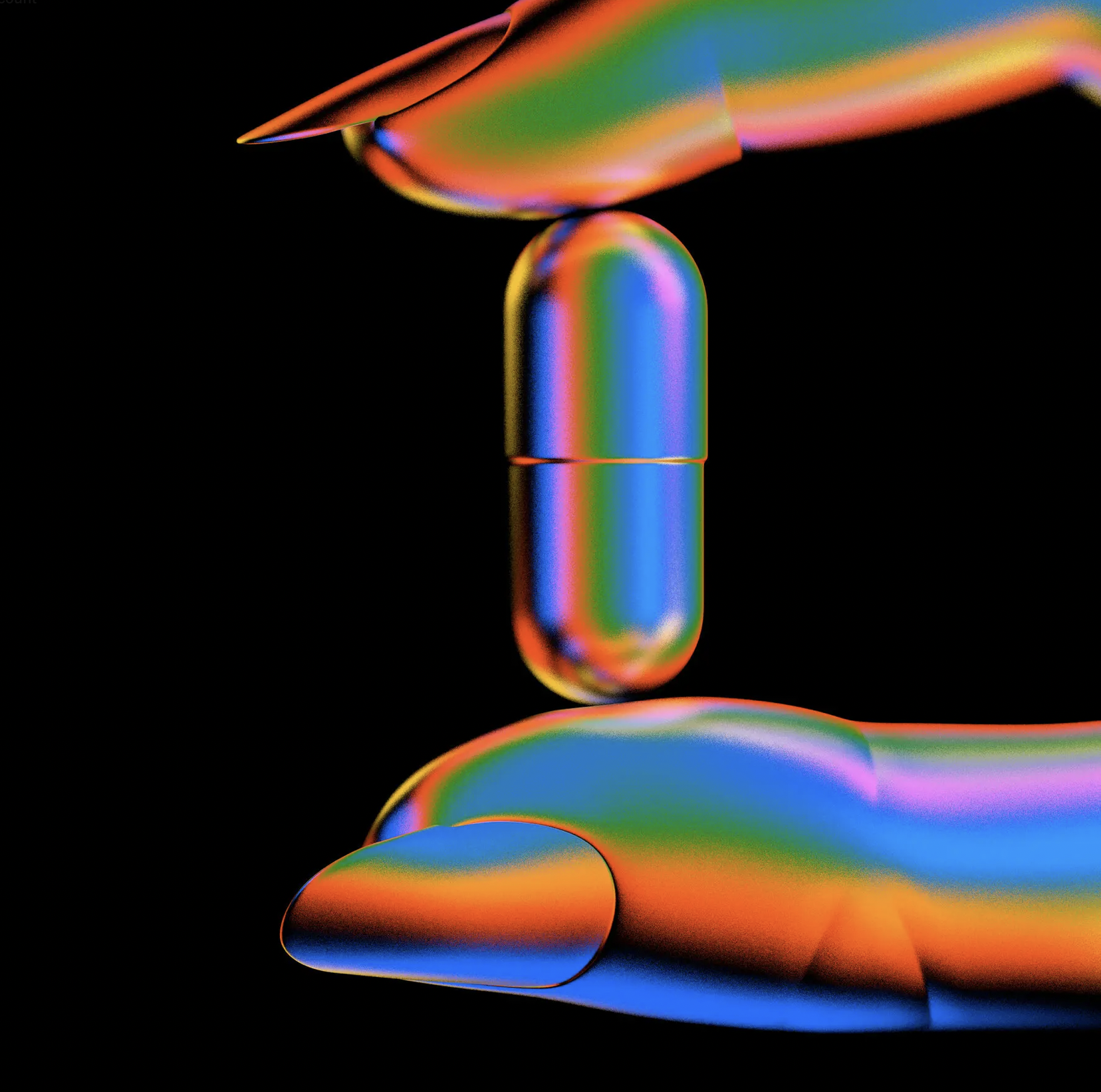
The Age of Distracti-pression
If you’re wondering which pills and how many of them Americans have relied upon to make ourselves feel better since Covid-19 arrived, the answer, in short, is yes.

Karan Singh
The Age of Distracti-pression
By Casey Schwartz for The New York Times
Read the full article here
During the pandemic, the National Center for Health Statistics teamed up with the Census Bureau to carry out quick online “pulse” surveys and tracked mental health prescription pill use.
The numbers they turned up echo what we already sense: We are depressed, anxious, tired and distracted. What’s new is this: Almost a quarter of Americans over the age of 18 are now medicated for one or more of these conditions.
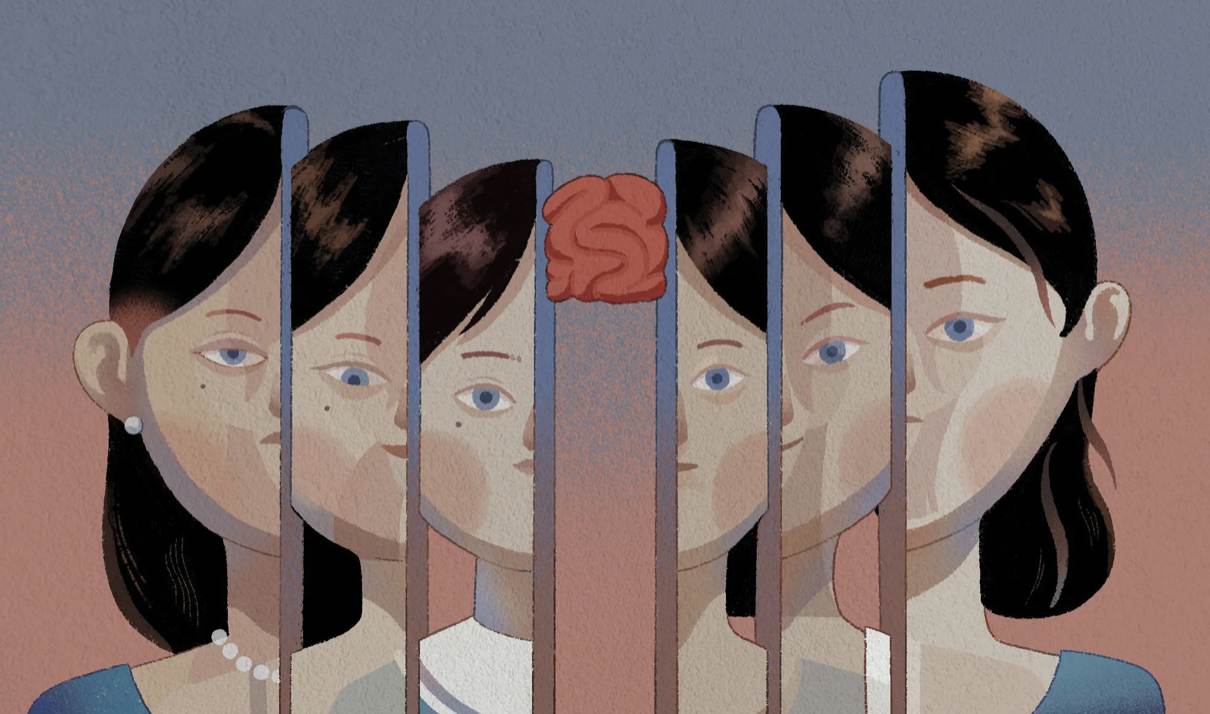
How Our Brain Preserves Our Sense of Self
Psychologists have long noticed that a person's mind handles information about oneself differently from other details. Memories that reference the self are easier to recall than other forms of memory.

Credit: Zoe Liu
How Our Brain Preserves Our Sense of Self
By Robert Martone for Scientific American
We are all time travelers. Every day we experience new things as we travel forward through time. As we do, the countless connections between the nerve cells in our brain recalibrate to accommodate these experiences. It's as if we reassemble ourselves daily, maintaining a mental construct of ourselves in physical time, and the glue that holds together our core identity is memory.
Our travels are not limited to physical time. We also experience mental time travel. We visit the past through our memories and then journey into the future by imagining what tomorrow or next year might bring. When we do so, we think of ourselves as we are now, remember who we once were and imagine how we will be.
Psychologists have long noticed that a person's mind handles information about oneself differently from other details. Memories that reference the self are easier to recall than other forms of memory.
Read the full article here.
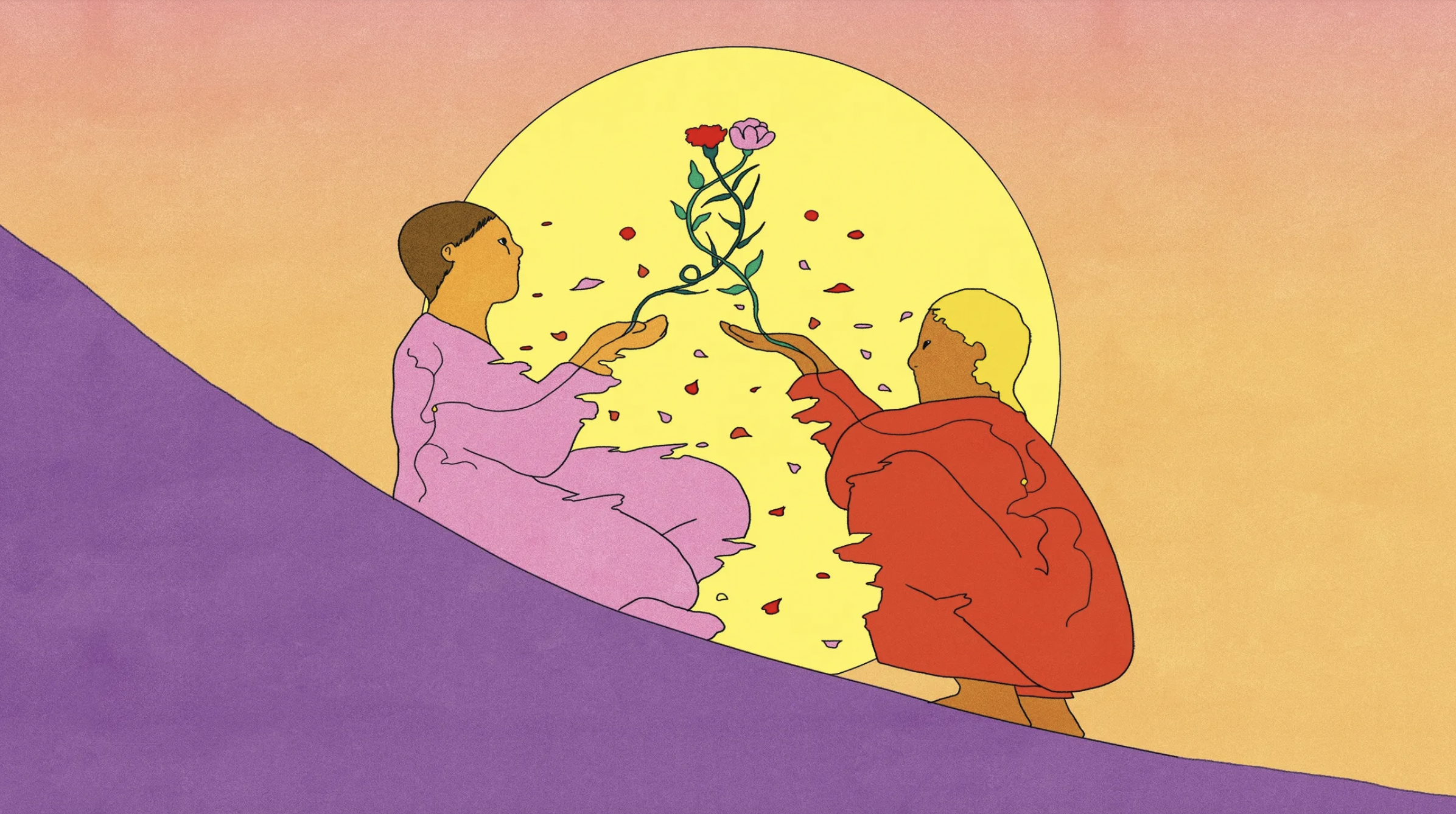
How Universal Are Our Emotions?
Emotions aren’t simply natural upwellings from our psyche—they’re constructions we inherit from our communities.

Emotions can be thought of as “relational acts between people,” Batja Mesquita writes, rather than as mental states inside us.Illustration by María Medem
How Universal Are Our Emotions?
Psychologists have argued that affect is profoundly shaped by culture. They shouldn’t feel so confident.
For Mesquita, this is an instance of a larger, overlooked reality: emotions aren’t simply natural upwellings from our psyche—they’re constructions we inherit from our communities. She urges us to move beyond the work of earlier researchers who sought to identify a small set of “hard-wired” emotions, which were universal and presumably evolutionarily adaptive. (The usual candidates: anger, fear, disgust, surprise, happiness, sadness.) Mesquita herself once accepted that, as she writes, “people’s emotional lives are different, but emotions themselves are the same.” Her research initially looked for the differences elsewhere: in the language of emotion, in the forms and the intensity of its expression, in its social meaning.
Over time, though, her conviction began to weaken. “What would it mean that emotions are the same?” she asks.
Two models of Emotions
OURS Model: Instead of seeing emotions as bequeathed by biology, we might see them as learned: “instilled in us by our parents and other cultural agents,” or “conditioned by recurrent experiences within our cultures.” In this model of emotions, they are “OUtside the person, Relational, and Situated”—ours.
MINE Model: In “Inside Out,” a little girl, Riley, is shown as having a mind populated by five emotions—Joy, Sadness, Fear, Disgust, and Anger—each assigned an avatar. Anger is, of course, red. A heated conversation between Riley and her parents is represented as similar red figures being activated in each of them. “Inside Out” captures, with some visual flair, what Mesquita calls the mine model of emotion, a model in which emotions are “Mental, INside the person, and Essentialist”—that is, always having the same properties.
Highly abstract questions such as “What is meaning?,” he said, tend to “produce in us a mental cramp. We feel that we can’t point to anything in reply to them and yet ought to point to something.” He went on, “We are up against one of the great sources of philosophical bewilderment: a substantive”—a noun—“makes us look for a thing that corresponds to it.”
Read the full article here.
Further Readings:
Batja Mesquita book Between Us: How Cultures Create Emotions
Bernard Williams book Shame and Necessity
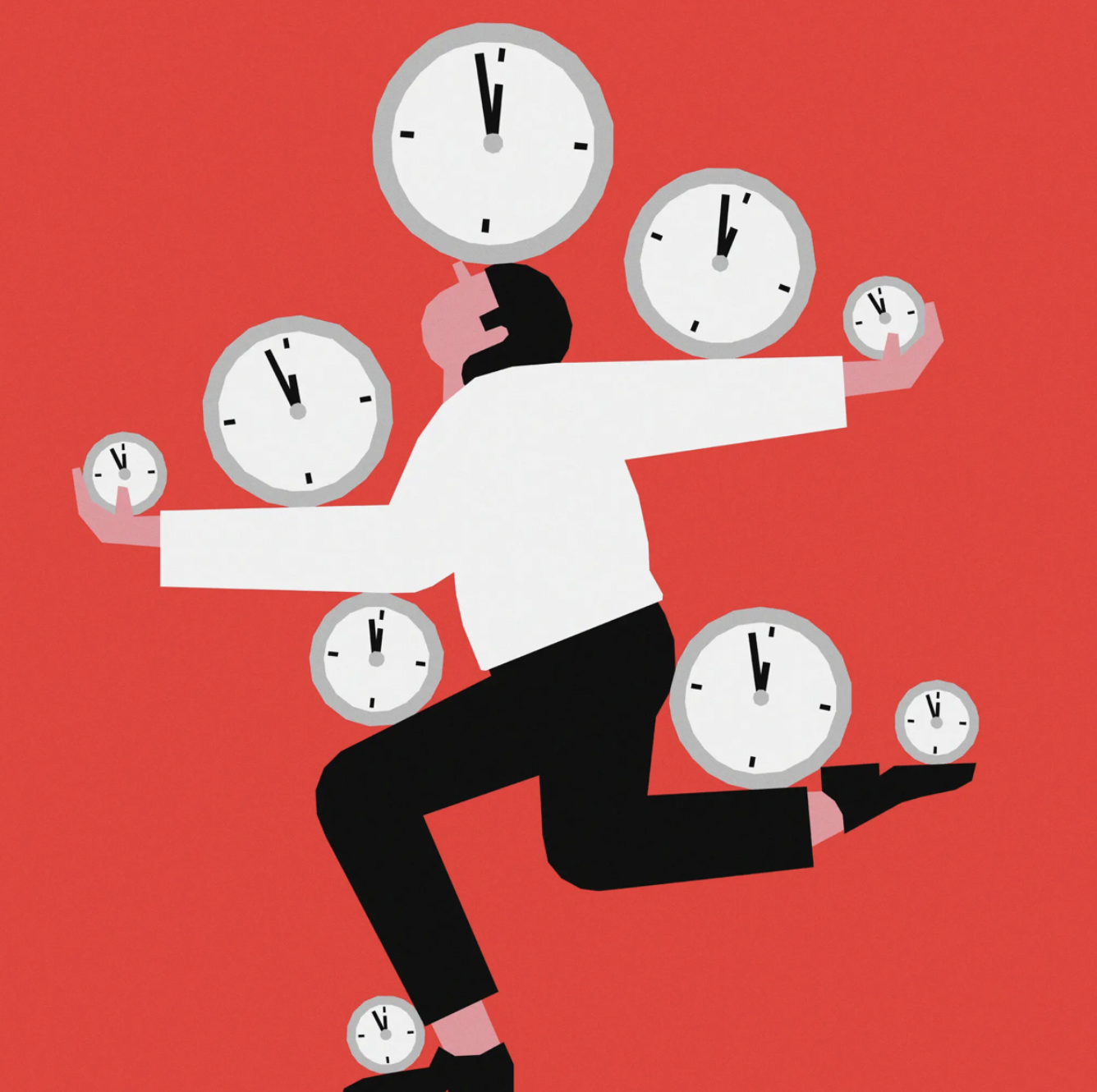
It's Time to Stop Living the American Scam
“no one’s calling it anything other than what it is anymore: an endless, frantic hamster wheel for survival.”

Sebastian Koenig
To young people, America seems less like a country than an inescapable web of scams, and “hard work” less like a virtue than a propaganda slogan, inane as “Just say no.”
Of course, everyone is still busy — worse than busy, exhausted, too wiped at the end of the day to do more than stress-eat, binge-watch and doomscroll — but no one’s calling it anything other than what it is anymore: an endless, frantic hamster wheel for survival.
And I don’t believe most people are lazy. They would love to be fully, deeply engaged in something worthwhile, something that actually mattered, instead of forfeiting their limited hours on Earth to make a little more money for men they’d rather throw fruit at as they pass by in tumbrels.
Read the full article by Tim Kreider here
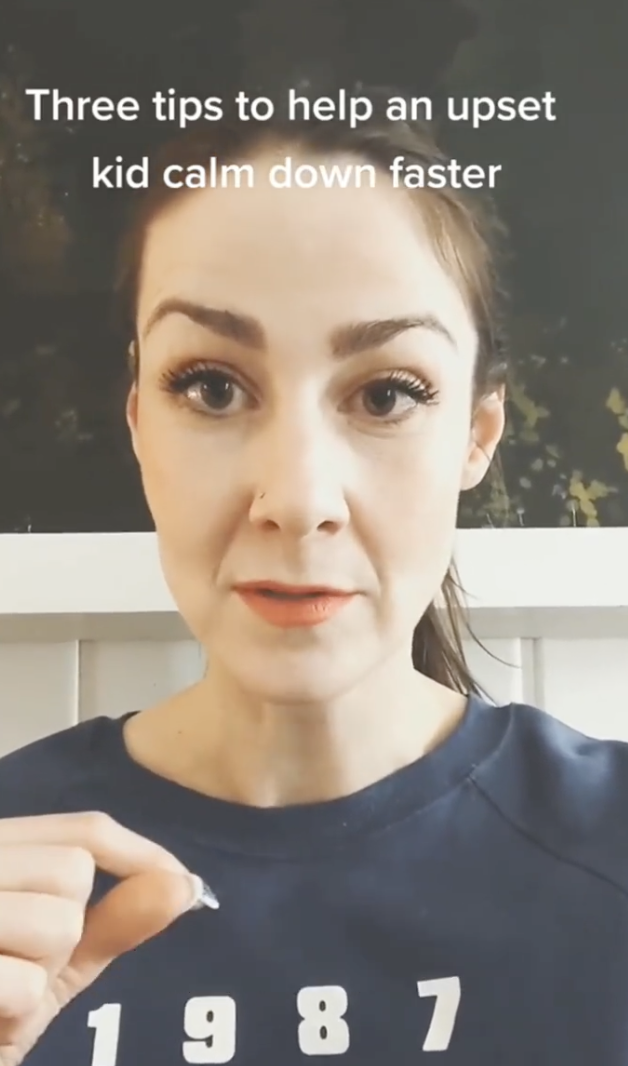
Three Tips for Helping Kids Calm Down
Here are three things you can do to help a child regulate their body when they are upset and can't think.

“Big feelings are hard on everyone and as a parent or teacher or caregiver it can be hard to know what to do and how to help. Here are three things you can do to help a child regulate their body when they are upset and can't think.” - Eli Harwood
Make your body smaller, get down on their level.
Show empathy on your face.
Use your voice as a soothing instrument to help them tell that you are calm and you are there.
Watch Eli’s three tips here.
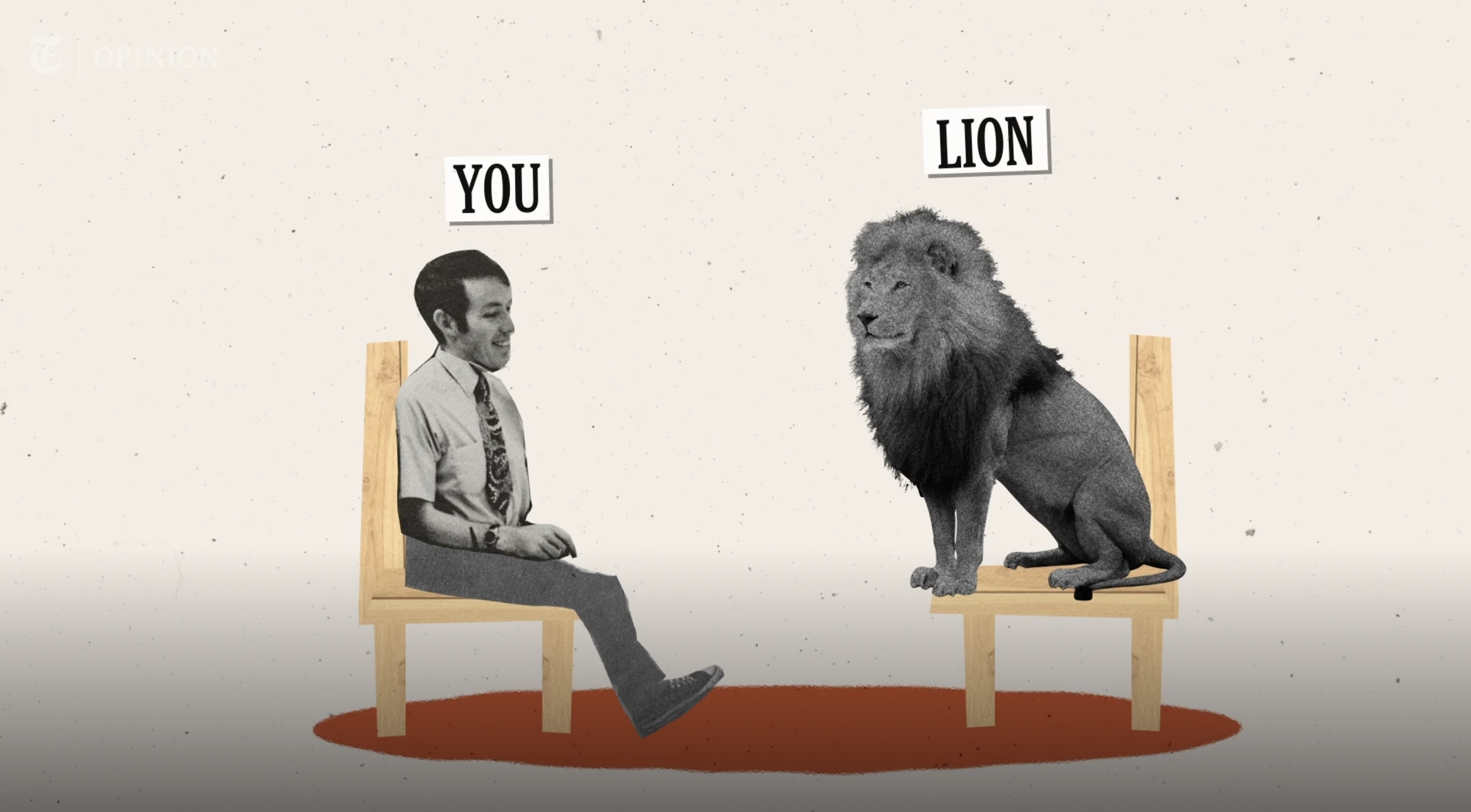
What the Pandemic Can Teach us About Endings
Are we asking the right question?

Sometimes the only question we ask can ask ourself is, “When will this all end?”
In this video ‘What the Pandemic Can Teach Us About Endings’ the New York Times explores the problem with how we think about endings. “What if we’ve grown too reliant on knowing when things begin and end? Is there an opportunity to be found in embracing an endless view of the world?”
Watch the video here
Video by Tala Schlossberg


The end beginning.
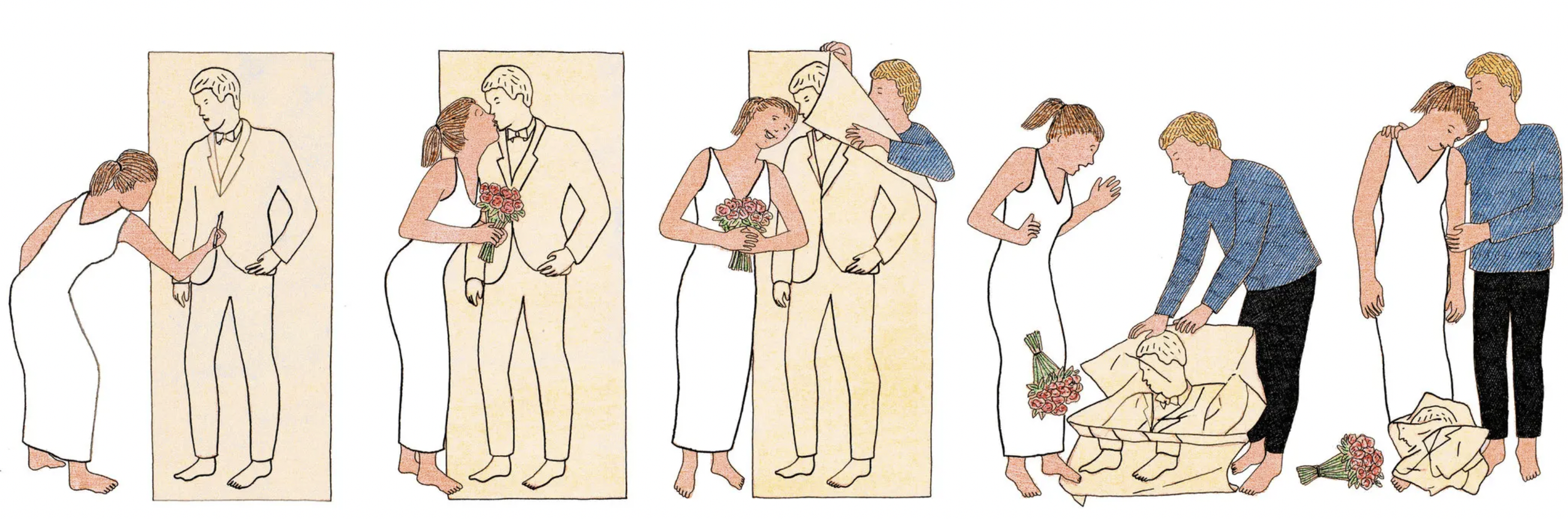
Why You Will Marry the Wrong Person
But though we believe ourselves to be seeking happiness in marriage, it isn’t that simple. What we really seek is familiarity —

“Nobody’s perfect. The problem is that before marriage, we rarely delve into our complexities. Whenever casual relationships threaten to reveal our flaws, we blame our partners and call it a day. As for our friends, they don’t care enough to do the hard work of enlightening us. One of the privileges of being on our own is therefore the sincere impression that we are really quite easy to live with.”
By Alain de Botton for The New York Times

Why It's OK to Leave a Relationship That's Not Thriving

Comparing how much you want to stay vs. how hard it is to leave.
By Tyler Jamison Ph.D. for Psychology Today
How To Affirm the People in Your Life Who Use Multiple Sets of Pronouns

Kristen Ulve
Not everyone goes by solely she/her, he/him, or they/them. We spoke to 10 people who use varied pronouns about their identities and how to respect them.
By Wren Sanders for Them.us
What Children Lose When Their Brains Develop Too Fast

Illustration: Jarred Briggs
Adverse early experiences can make young minds inflexible, while a carefree childhood has clear cognitive benefits
By Alison Gopnik for The Wall Street Journal
Are You Anxious, Avoidant or Secure?

Shuhua Xiong
Over a decade after its publication, one book on dating has people firmly in its grip.
By Foster Kamer for The New York Times
Are There Hidden Advantages to Pain and Suffering?

Illustration by Mrzyk & Moriceau
Two new books examine how we benefit from unpleasant experiences.
By Meghan O’Gieblyn for The New Yorker
Tips for Starting and Getting the Most Out of Therapy

“This summer, while friends announced pregnancies and career changes, and others held postponed weddings in the brief window between the vaccine rollout and the delta surge despair, I quietly marked a milestone of my own: 52 therapy sessions in 52 weeks.”
By Sunny Fitzgerald for The Washington Post
