


If your relationship is a little too competitive and not collaborative enough, there are a few effective steps to consider.
Read moreHow Should We Think About Our Different Styles of Thinking?
Grandin likes the idea that there are two kinds of visual thinkers, because it helps make sense of differences between like-minded people.
Read moreMany teens struggle with mental health issues. Here are tips for parents.

Working on managing your own emotions, asking the right questions and helping to determine the level of support they need are effective ways to empower adolescents
Read moreThe Best Way to Comfort Someone When They’re Sad

A limited yet growing body of research suggests that one of the most powerful ways to support someone is also the simplest: Start a conversation.
Read moreHow to Make (and Keep) a New Year's Resolution
Abbey Lossing
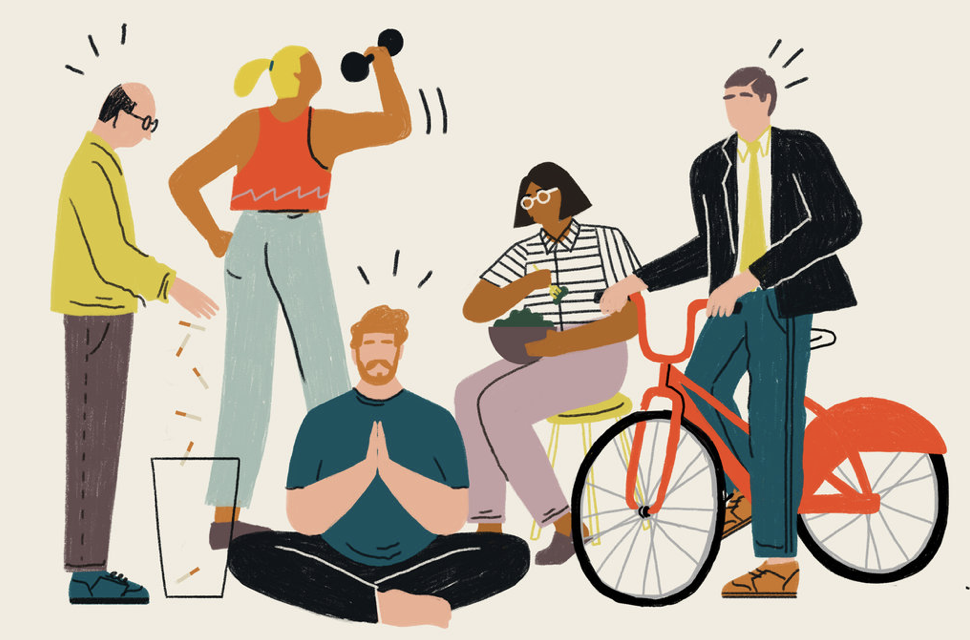
Here’s how to identify the right resolution to improve your life, create a plan on how to reach it, and become part of the small group of people that successfully achieve their goal.
Read moreHow to Fend Off Holiday Stress, from People Who Should Know

A UPS driver, a baker and Santa’s helper share advice for staying present through the season.
Read moreAre You the Same Person You Used to Be?
Are we the same people at four that we will be at twenty-four, forty-four, or seventy-four? Or will we change substantially through time? Is the fix already in, or will our stories have surprising twists and turns?
Read more6 relationship resolutions to make this year

Krystal Quiles
Making small changes in our relationships can yield big results.
Read moreWhy talking to strangers is good for you, them and all of us

Stocksy
Instead of avoiding strangers, we need to get good at interacting with them, both to get help when we need it and to be of use to them.
Read moreWhat Is Social Anxiety?

Social anxiety is one of the most common mental illnesses, but it’s still poorly understood outside of scientific circles. The good news is that it’s highly treatable
Read moreHow to Be Mindful at the Holiday Table

Sam Kalda
How to Be Mindful at the Holiday Table
By David Gelles for The New York Times
“Holidays often come wrapped in memories and expectations. Mindfulness offers the gift of being present in the moment. Just show up and be interested. At holidays, this means simply being present in the moment with compassion for yourself, and others.” — Nina Smiley, director of mindfulness programming at Mohonk Mountain House.
As you sit down at the holiday table, focus on breathing slowly and deeply.
Take in the sights, without judgment.
Be aware of the tapestry of sound around you.
Smell the aromas wafting through the air.
Watch the mind. If it begins telling stories based on memories and expectations, let them go.
Return to the senses again and again, replacing stories with simply being present.
Read the full article here.
How Parents’ Trauma Leaves Biological Traces in Children

Adverse experiences can change future generations through epigenetic pathways
Read moreDaylight-savings time and mental health
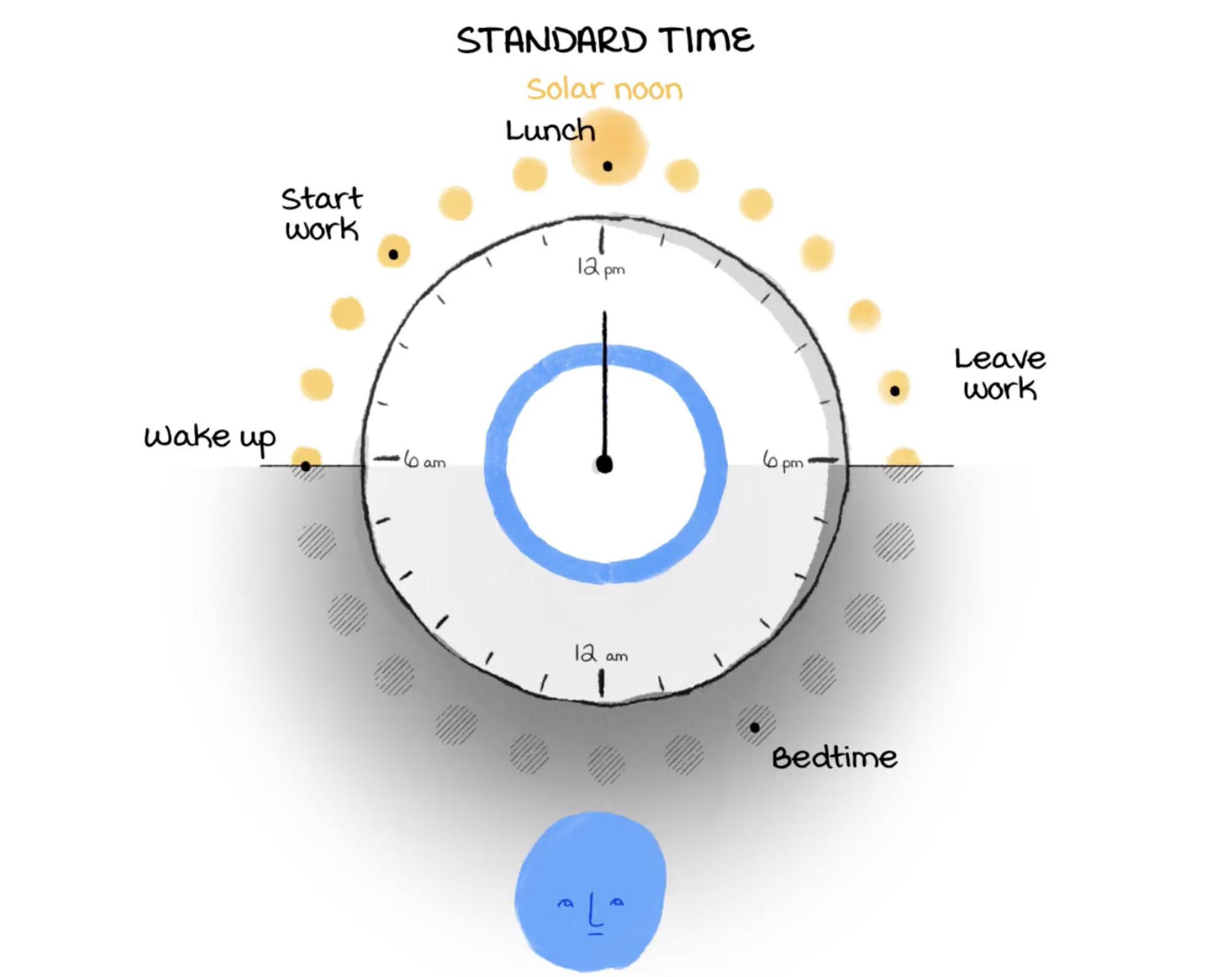
Daylight-savings time and mental health, strategies for seasonal affective disorder and an animation to understand our bodies in relation to daylight-savings time.
Read moreWhy Adults Still Dream About School

Getty; The Atlantic
Long after graduation, anxiety in waking life often drags dreamers back into the classroom.
Read moreHow men can save relationships by learning to be vulnerable

(Isabel Espanol/Illustration for The Washington Post)
Therapists know that opening up to partners and spouses, and to potential rejection, builds and deepens trust, empathy and intimacy.
Read moreWhat I needed was a rest break on the Island of Grieving and Useless Folks

(Celia Jacobs / For The Times)
In January, my husband blindsided me with divorce. Not for a moment during the prior 36 years did I doubt that we would spend the rest of our lives together.
Read moreWhy you should stop complimenting people for being 'resilient'

illustrated by Connie Hanzhang Jin
Why you should stop complimenting people for being 'resilient'
From NPR’s Podcast Life Kit
This episode of Life Kit dives into how you can reframe your relationship with resilience.
Lourdes Dolores Follins, psychotherapist and licensed clinical social worker, explains why it's OK to let yourself feel angry or frustrated sometimes — and how unexamined resilience can mask structural forces that make your life harder.
Listen to the full episode below or here.
Can’t seem to meditate? 7 joyful activities for you to try instead

Allie Sullberg
The moral of this story isn’t “don’t meditate” but rather, that meditation is like many things — great for some people, but not necessarily for everyone.
Read moreWhat does it mean to be mentally 'well'?

Jim Cooke / Los Angeles Times
Ups and downs are normal. The fact that you experience difficult emotions sometimes is a good thing. It means you’re alive.
Read moreEvery Moment Can't Be a 10 Out of 10

Sometimes you have to celebrate the fours, fives and sixes.
Read more