
The Problem with Anger
Unresolved anger can build up and be damaging in relationships. This article discusses the issues surrounding anger, precipitants of anger, and leaves readers with a message of how to handle anger in a healthy way.

https://www.psychologytoday.com/blog/moments-matter/201711/the-problem-anger
Why Does Therapy Work?
A nice take on what we do in therapy:
"Various types of long-term, in-depth psychotherapy have a few things in common. They depend on a safe and trusting relationship with a therapist. They follow lived time, meaning life happens during treatment, enabling a client to work and understand in parallel with actual events and changes. They also allow the client to make manifest internalized material, to dredge up and acknowledge thoughts and feelings they may have otherwise just left alone (Drisko, 2004)."

https://www.psychologytoday.com/blog/encountering-america/201709/why-does-therapy-work#_=_
Yes, Your Sleep Schedule Is Making You Sick
In this article a professor of Clinical Psychiatry discusses the strong links between sleep and mood - and how to balance out sleep to regulate our mood:
https://www.nytimes.com/2017/03/10/opinion/sunday/can-sleep-deprivation-cure-depression.html?smid=fb-share
Mental Health Apps: The Therapist At Your Bedside
In this article in Departures magazine, one inquisitive reporter takes on the emerging world of mental health apps, where therapy is accessible on your phone day and night. While it certainly is convenient, Dr. Shubert talks in the article about some of the pitfalls of quick and easy psychotherapy.
https://www.departures.com/lifestyle/technology-gadgets/do-mental-health-apps-work

I AM BORDERLINE: Self-Regulation Project
This award winning, and powerful short film aims to reduce stigma about borderline personality disorder through spreading awareness. It was made for the Self-Regulation Project, whose mission is to create personal growth through increasing emotion regulation skills and self-understanding. It beautifully illustrates many of the daily struggles and triggers for those living with this diagnosis. The short film highlights common thoughts, emotions, and behaviors associated with borderline personality disorder. Take a look here to increase your knowledge about borderline personality disorder.

Yes, It's Your Parents' Fault
Lately, attachment theory is getting heightened attention, due to its relevance in the explanation of our current relationship patterns. This article demonstrates how early caregiver relationships show increasing impact on our daily lives. Find out what type of attachment style you have by reading this piece by New York Times.


A Guide to Coping with Seasonal Affective Disorder (SAD)
This article talks about effective coping strategies for those diagnosed with Seasonal Affective Disorder (S.A.D.). It aims to reduce stigma around S.A.D., spread awareness about the disorder, and provide ways to improve symptoms. Laura Baker shares her passion with others through great tips on DIY, healthy living, and more.

Seasonal affective disorder (SAD) is a type of depression that hits people during certain times of the year. For most people who live with SAD, they begin to experience symptoms in the autumn and experience worse symptoms during the winter. As with other types of depression, only a doctor can diagnose SAD. If you feel depressed or hopeless, have a lack of energy, struggle to concentrate, experience changes in sleep or appetite, or have thoughts of death or suicide that worsen during the fall and winter, you should talk to your doctor. Once you are diagnosed with SAD, there are some steps you can take to manage your symptoms and improve your well-being; we share our advice for coping with seasonal affective disorder below.
Increase Your Levels of Light
While doctors and researchers are not exactly sure what causes SAD, they can point to a limited amount of sunlight as one factor. Reduced levels of sunlight alter individuals’ biological clocks and lower the level of serotonin and melatonin in our system. As a result, one of the most common forms of treatment for seasonal affective disorder is light therapy.
People with SAD sit in front of light boxes made specifically to the disorder or others like it; most use them in the morning to mimic sunrise and to balance their serotonin and melatonin levels to start the day. On average, people with SAD use their light boxes 30 minutes per day, and the light is approximately 25 times brighter than a normal light bulb. Your doctor will be able to tell you the amount of light that is best for you.
Exercise
One natural way to combat the chemical imbalance that occurs in people living with SAD is to regularly exercise. When people work out, their body releases endorphins that boost the mood and make them feel happier. One study found that exercise is just about as effective at treating depression as therapy or antidepressants.
For an extra mood lift, work out with a good friend. Social isolation is common in people with SAD, as they find it difficult to have fun doing the activities they normally enjoy. If you work out with a friend, you will reduce your loneliness and increase the likelihood that you will stick to a workout schedule because you know that your friend is counting on you to show up and exercise together.
Volunteer
One of the best ways to combat seasonal affective disorder in the winter is to volunteer. Volunteering will get you out of the house and give you a purpose in addition to the humdrum of work and chores at home. You may develop friendships with other volunteers, and you will feel good knowing that you are helping others instead of staying home and struggling with your symptoms of depression.
It is better to volunteer with an organization that you believe in or that supports your beliefs because you will be more likely to stick with it. For example, if you love animals, volunteer at a local shelter or volunteer to be a foster family for an animal until a forever family adopts it. If you love kids, volunteer as a tutor at an after-school program or sign up to be a Big Brother or Big Sister. If you would like to volunteer in other ways, you could see if your local library needs someone to help shelve books or if your local soup kitchen needs someone to take inventory, stock shelves, or cut up vegetables.
Get Help When You Need It
While it may be difficult to admit that you need to talk with a therapist or begin group sessions, it is important that you don’t ignore your seasonal affective disorder. Being depressed during the holidays can lead to drinking and substance abuse, especially for recovering addicts.
For many people who feel lethargic and depressed during the fall and winter, seeing a doctor is best because health care professionals can determine whether you have seasonal affective disorder. Once you know if you have SAD, you can take steps to boost your mood and start feeling like yourself again, no matter the time of year.
Image via Pixabay by Websi
How Mindfulness Helps our Brains
Here's an article from The Week that explains how our brains often misinterpret cues we pick up on in the world, and how that causes us strife. Observing our thoughts in a few specific ways can help us misinterpret less and feel more calm. This is in many ways where mindfulness and psychotherapy meet.
This article also has a number of helpful links for those wanting to learn more about meditating and mindfulness.

Three myths about Borderline Personality Disorder
Borderline Personality Disorder (BPD) is getting a lot of hype lately. Here is a blog post which addresses three myths about BPD: that it's a woman's disorder, that it can't be cured, and that it can't be diagnosed before age 18.

http://www.examiner.com/article/three-myths-about-bpd?utm_content=bufferd27f0&utm_medium=social&utm_source=facebook.com&utm_campaign=buffer
Masters of Love
From The Atlantic: Science says lasting relationships come down to—you guessed it—kindness and generosity.
http://www.theatlantic.com/health/archive/2014/06/happily-ever-after/372573/?utm_source=atlfb

Epigenetics: Can Trauma be Passed on Through Genes?
A research team at Mt. Sinai Hospital in New York has shown that Holocaust survivors are capable of passing down genetic changes stemming from the trauma they've suffered to their children. This could have big implications for what kind of temperament we inherit from our ancestors, and what our children inherit from us. Read the story

What truly makes us happy?
In this TED talk, psychiatrist Robert Waldinger describes the results of a study he directs at Harvard where they have tracked over 700 men for 75 years to find out what actually makes us happy. Not surprisingly, what they found is that good relationships keep us happy, and healthier. People who are more socially connected, they have found, are happier, physically healthier, and live longer. People who are more isolated than they want to be find they are less happy and their health declines earlier. Also, Waldinger says, it's not just the number of relationships, but the quality of relationships that matter. He reminds us that while we would all like a quick fix for happiness, relationships can be messy and take work, but it's that work that can make for a rewarding life.
Wedding Support!
Planning a wedding and preparing to get married can be an incredibly special and exciting time in an individual's and a couple's life. And if you're engaged and you pay attention to social media, Pinterest, wedding blogs, etc. (as it's hard not to), then it might look like everyone else who has ever been engaged or planned a wedding had an incredible time, the perfect celebration and loads of support. And perhaps some people really do have that experience for the most part.
The truth is, though, that planning a wedding and getting married is a time of major transition, and can easily highlight relationship difficulties, body image problems, family disappointments, and financial stresses. Navigating some of those issues would be difficult enough in and of themselves, but they greatly intensify when one or more of those things gets triggered while you're trying to plan and pay for a wedding, look and feel your best, please the important people around you, maintain the integrity of the relationship you have with your partner and perhaps even plan a honeymoon. Not to mention, sometimes the people you expect to support you are not able to give you what you need, creating a sense of disappointment and loss during a very important time. I often hear people say, "this was supposed to be the most exciting time in my life" or "I just thought I would be a lot happier." It's not unusual to have that experience, even if you are beyond excited to marry your partner.
In therapy, we talk about how to obtain support, how to set boundaries, prioritizing what's most important to you, and processing the many complicated feelings that one experiences during this important life transition. We might also look for ways to find joy and meaning throughout this wonderful, intense, emotional process.
Written by Lauren Harb, Psy.D.

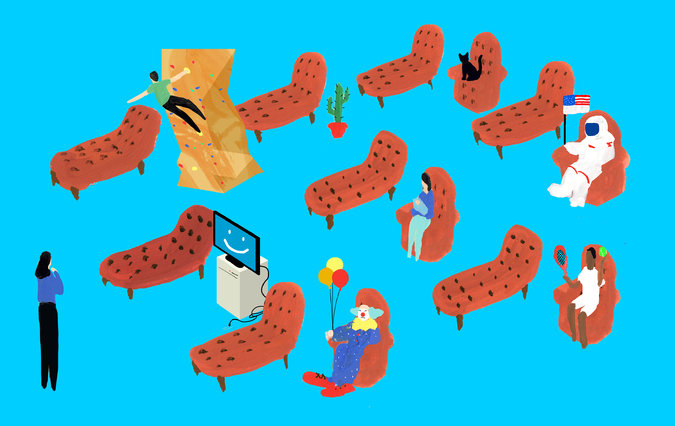
Dear Google, Is There A Shrink For That?
Dr. Shubert was quoted in this recent New York Times article on niche therapies talking about the importance of the relationship in psychotherapy. While specializations are important, ultimately it's the therapeutic relationship that heals.

Transference
Here's a cute and clear video explaining the concept of transference - the idea that we transfer what we learned from our past relationships on to our current ones. "Working through" transference is a major part of psychotherapy because it helps us make decisions based on what's actually happening now, rather than what might have happened in the past.
A New History of Autism
While awareness of Autism and its broad spectrum has increased in the past decade, the road to understanding this diagnosis has been long and bumpy for clinicians and most importantly those directly impacted. There is now a general consensus that autism is rooted in neurological and chemical processes in addition to a possible genetic component. In this New Yorker article, Steven Shapin provides a history of ASD (Autism Spectrum Disorder) from it's highly controversial causes to the development of ABA (Applied Behavioral Analysis) therapy. Ultimately, Shapin challenges the reader to think beyond the "spectrum" labels, pathology, and disability.

What is social anxiety?
Social anxiety is one of the most common disorders in our country - at some point in their lives, 13 out of 100 people will meet the criteria for social anxiety disorder. But what is it?
While most of us get a bit anxious walking in to a full room, social anxiety becomes problematic when our normal need to be accepted goes a bit haywire and our fear of rejection takes over, causing panic and reclusion.
Here is a link to an interview with Stefan G. Hofmann, the director of the Social Anxiety Program at Boston University, in which Hofmann describes more about the disorder and how to treat it:
http://www.theatlantic.com/health/archive/2015/10/what-is-social-anxiety/411556/

Between the World and Me, by Ta-Nehisi Coates
Ta-Nehisi Coates' latest book, Between the World and Me, National Book Award winner, is a raw, beautiful, and powerful letter from Coates to his fifteen year old son. Coates' narrative offers a profound description of what its like to be a black man in America today; he describes feelings of powerless and rage that all of us can relate to, but that some of us have to contend with more than others on an every day basis. His honestly about his experience as a man and as a father is refreshing; yet in the truths he exposes so plainly, we are put in touch with a system in America that has been and is still painfully unjust. The humanity and art with which he describes all of this to us is touching.
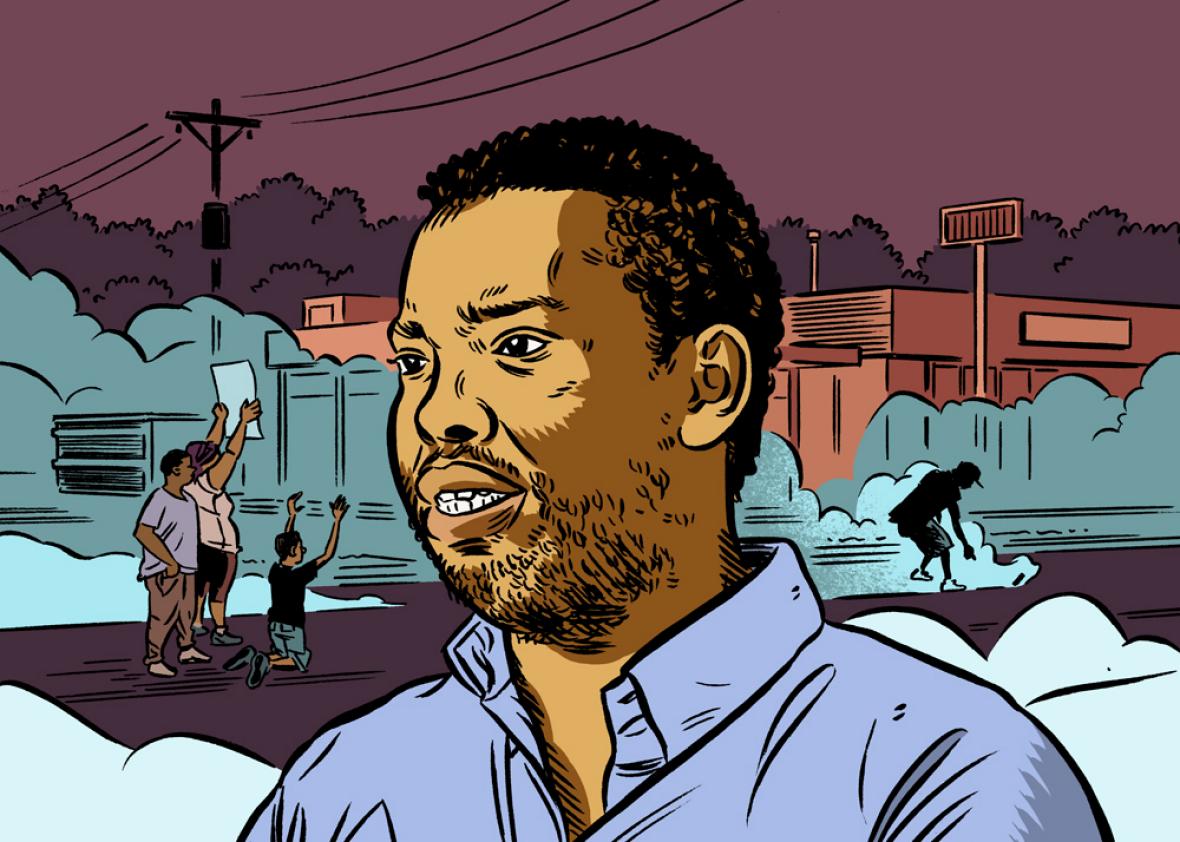
We also recommend the audiobook, which he reads himself. Here is a link to an article from Slate which describes the book well:
Dan Siegel's Hand Model, for children and parents!
Dan Siegel, Professor of Psychiatry at UCLA, describes his "hand" model of the brain - an easy way for parents and children to understand how the emotional hind brain sometimes loses it's ally in the rational front brain when we get "triggered." Just noticing it when it happens can help restore our emotional balance.
You Can Grow New Brain Cells. Here's How.
Can we, as adults, grow new neurons? In this TED talk, Neuroscientist Sandrine Thuret says that we can, and she offers research and practical advice on how we can help our brains better perform neurogenesis—improving mood, increasing memory formation and preventing the decline associated with aging along the way.