
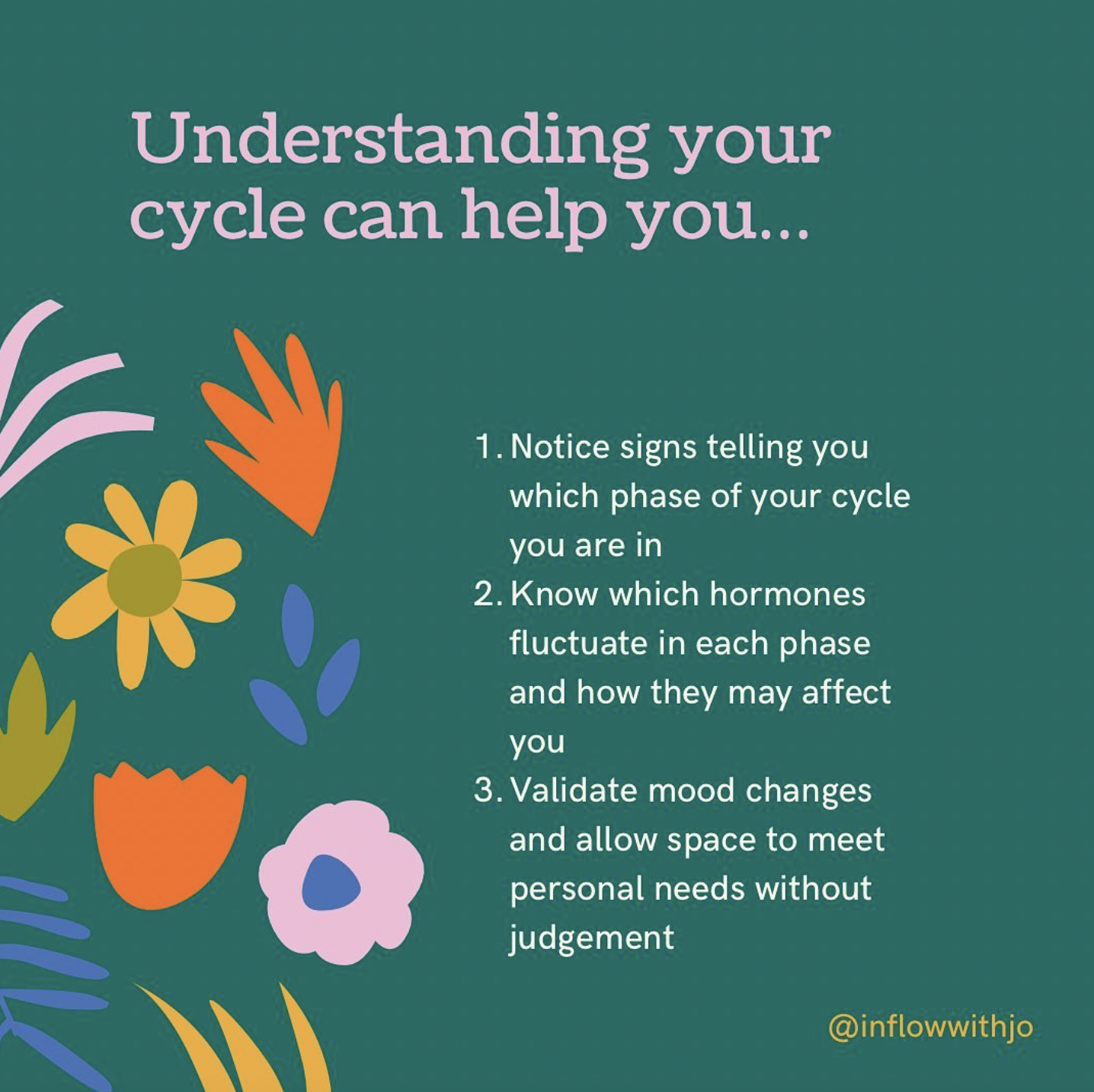
SLP Series: The Taboo of Menstruation
Most people, including those who menstruate, are taught about the menstrual cycle in middle school. This is at an age when learning about anatomy, reproduction, and sexual health is not necessarily welcomed with open arms. While sex and reproductive education at school address education of the menstrual cycle, it is often culture, media, religion, and familial norms that shape one’s emotional experience and relationship to menstruation.

Before diving into the topic of menstrual cycles, I would like to note a few disclaimers. I am writing this as a cisgender, white, Jewish woman. While my experience with this subject is academically and clinically informed, my point of view is inherently informed by my personal experience. I would also like to note that not all who menstruate are women and not all women menstruate. This is due to various factors and circumstances such as gender identity, medical health, hormonal birth control, pregnancy, breastfeeding, and menopause. As I write on this subject, it is meant for all individuals with a relationship to the menstrual cycle and for those supporting them. My goal in authoring this article is to de-stigmatize the subject and encourage conversations about menstruation in therapy.

What we’re taught.
Most people, including those who menstruate, are taught about the menstrual cycle in middle school. This is at an age when learning about anatomy, reproduction, and sexual health is not necessarily welcomed with open arms. While sex and reproductive education at school address education of the menstrual cycle, it is often culture, media, religion, and familial norms that shape one’s emotional experience and relationship to menstruation. As years go on, the topic is often seeped in discomfort where anatomical language is forgotten and euphemisms prevail. While educational experiences vary (they are not all bad!), menstrual shame and stigma are often internalized. Take a moment and reflect on how you felt seeing the headline of this article. Relief? Disgust? Intrigue? The therapy room is not devoid of these stigmas. A lack of education and cultural acceptance of the full life cycle of menstruation has left many of us with a blind spot when addressing how this experience over a lifetime impacts mental health and wellbeing.
Vital but invalidated.
The American College of Obstetricians and Gynecologists and the American Academy of Pediatrics considers menstruation the 5th vital sign for adolescents. While this is accepted as a measure for developmental and adolescent health, the importance of a cycle should be posited for all menstruators during the following years of their life. Being deemed as the “fifth vital sign” means in addition to measures like blood pressure and heart rate, menstruation is an indicator of one’s overall health. The persistent cultural discomfort around the topic begs the question, why aren’t we speaking in depth about this important measure of health beyond adolescence? How do we diminish shame and make room for questions like: Why do people hide tampons up their sleeve on the way to the bathroom as if not to be found out for this natural occurrence? What is it like to have a period when exploring one's gender identity? Why are people only learning about the intricacies of a cycle when they are trying to conceive? How do hormones impact mental health? Why do people have to go through menopause with societal pressure to maintain a sense of normalcy to friends, family, partners, and colleagues? Instead of brushing past the inherent challenges of having a cycle, what if we looked more closely at them?
Bringing it to therapy.
While psychotherapy is not the appropriate setting to seek medical help or advice for menstrual health, it can be extremely supportive in the process of understanding one’s relationship to their cycle. By removing societal taboos and allowing space to discuss menstruation in therapy there is more opportunity to heal emotional wounds, embrace one’s identity, and strengthen one’s relationship with themselves. A few examples below of how menstruation can play a useful role in the therapy room.

Self Exploration and Healing
Discussions of menstruation can be useful when exploring one’s relationship to gender, one’s connection to their physical body as well as one’s sexuality.
Exploration of one’s experience with menstruation can include reflection on systemic issues, culture, religion, familial norms.
Fertility, Menopause, and Medical Diagnoses
Across the lifespan of menstruation, from menarche (one’s first period) to menopause (when one no longer gets a period), people go through many phases of life alongside their menstrual cycle.
One’s relationship to premenstrual symptoms, fertility, aging, and going through perimenopause (the years leading up to menopause) can arise as emotionally difficult experiences that can result in frustration, loneliness, depression, and feeling great dis-ease with one’s body.
Some reproductive medical issues can take years to reach clarity around and gain resolve. For example, endometriosis takes on average 8 years to receive a diagnosis for. That means an individual is likely living through years of chronic pain and advocating for themselves in doctors offices on their journey to finding treatment.
Menstruation and Mental Health Symptoms
While Premenstrual Symptoms (PMS) are widely known and openly discussed, people can also experience fluctuations in mental health symptoms in correlation to their cycle.
Fluctuations are important to discuss and further examine. Tracking cyclical fluctuations over time is helpful to identify patterns and anticipate cyclical changes in emotions, mood, and overall functioning.
Symptoms can be a sign of a formal disorder such as Premenstrual Dysphoric Disorder, or may be a sign of Premenstrual Exacerbation, when already existing symptoms of a clinical diagnosis increase in the two weeks prior to menstruation.
Additionally, menstrual health is clinically discussed as a symptom of eating disorders (one may not menstruate while struggling with disordered eating), and one’s return to a regular cycle is a physical sign of improvement when recovering from an eating disorder.
By opening up the topic of menstruation in therapy clients have the opportunity to deepen connection to a part of themselves that is generally overlooked. As topics like menopause are starting to get more attention in the media, we are reminded how much is lost by staying silent about one’s experience and how freeing it can be to speak the unspoken.
For more information on some of the topics mentioned above, please see some organizations and publications below.
International Association for Premenstrual Disorders
Period Trauma and Black Menstruators
Relationship to Menstruation and ADHD
Eating Disorders - Signs and Symptoms
New York Times, Women Have Been Misled About Menopause
Joanna Greenbaum is an Associate Psychotherapist at Silver Lake Psychotherapy. She has a Masters of Arts degree from Antioch University and is a Certified Menstrual Health Coach. Joanna works with all genders in individual and couples therapy and specializes in the intersection of menstruation, hormones, and mental health.
Joanna Greenbaum, AMFT 129009
Supervised by Dr. Justin Shubert PSY 23766

Women Have Been Mislead About Menopause
Imagine that there was a treatment for all these symptoms that doctors often overlooked. The scenario seems unlikely, and yet it’s a depressingly accurate picture of menopausal care for women. There is a treatment, hardly obscure, known as menopausal hormone therapy.

Marta Blue for The New York Times
Women Have Been Mislead About Menopause
By Susan Dominus for The New York Times
Hot flashes, sleeplessness, pain during sex: For some of menopause’s worst symptoms, there’s an established treatment. Why aren’t more women offered it?
For the past two or three years, many of my friends, women mostly in their early 50s, have found themselves in an unexpected state of suffering. The cause of their suffering was something they had in common, but that did not make it easier for them to figure out what to do about it, even though they knew it was coming: It was menopause.
The symptoms they experienced were varied and intrusive. Some lost hours of sleep every night, disruptions that chipped away at their mood, their energy, the vast resources of good will that it takes to parent and to partner. One friend endured weeklong stretches of menstrual bleeding so heavy that she had to miss work. Another friend was plagued by as many as 10 hot flashes a day; a third was so troubled by her flights of anger, their intensity new to her, that she sat her 12-year-old son down to explain that she was not feeling right — that there was this thing called menopause and that she was going through it. Another felt a pervasive dryness in her skin, her nails, her throat, even her eyes — as if she were slowly calcifying.
Now imagine that there was a treatment for all these symptoms that doctors often overlooked. The scenario seems unlikely, and yet it’s a depressingly accurate picture of menopausal care for women. There is a treatment, hardly obscure, known as menopausal hormone therapy, that eases hot flashes and sleep disruption and possibly depression and aching joints. It decreases the risk of diabetes and protects against osteoporosis. It also helps prevent and treat menopausal genitourinary syndrome, a collection of symptoms, including urinary-tract infections and pain during sex, that affects nearly half of postmenopausal women.
Read the full article here.
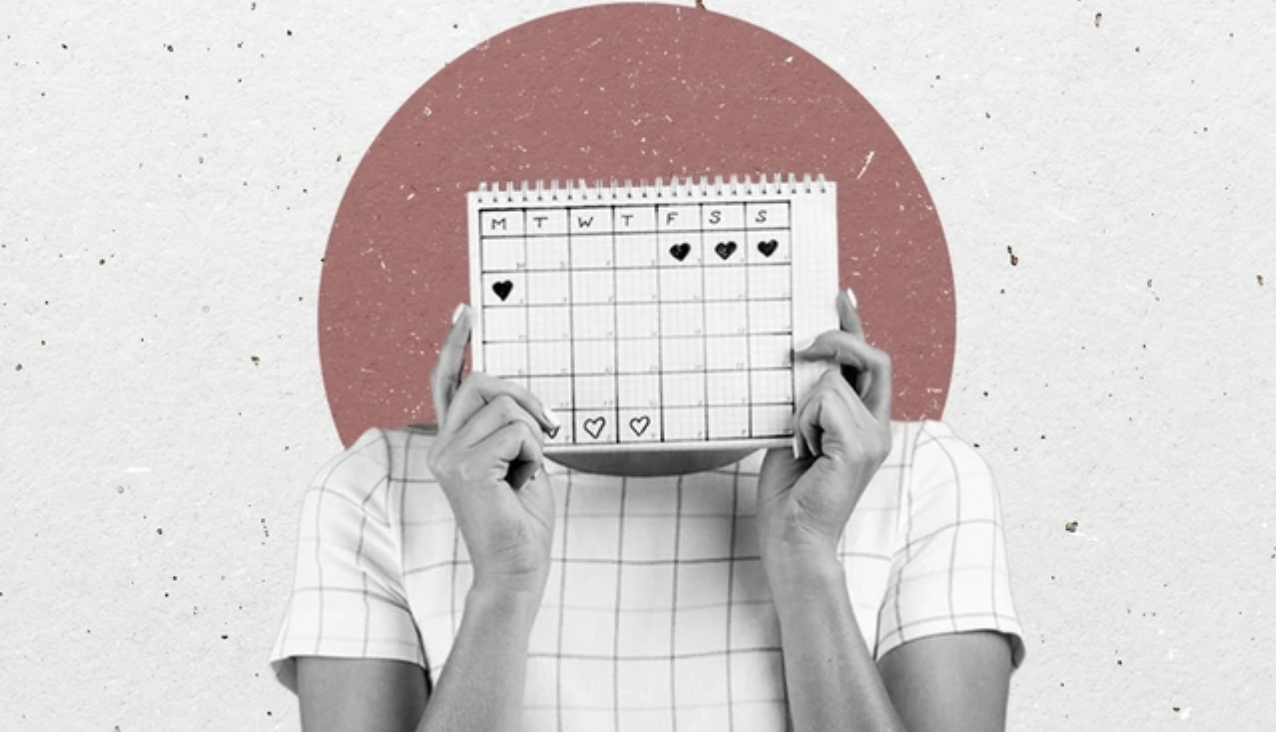
Why Does Your Mood Change Before Your Period?
Here’s a deep dive into why your mood changes before your period begins.

Why Does Your Mood Change Before Your Period? by Taneia Surles, MPH for healthnews
Menstrual mood disorders can cause significant changes in your emotions before the onset of your period. You may experience irritability, episodes of depression, and other mood changes you typically wouldn’t have outside your period. If you have mood changes before your period, you’re not alone.
Many people who go through the menstrual cycle can endure temporary emotional changes because of conditions like premenstrual syndrome (PMS) and premenstrual dysphoric disorder (PMDD).
Here’s a deep dive into why your mood changes before your period begins.
Read the full article here.

The menstrual gap in mental health
We often talk about the physical symptoms of periods, but the psychological impact of menstruation often gets left out of the conversation.

The menstrual gap in mental health
We often talk about the physical symptoms of periods, but the psychological impact of menstruation often gets left out of the conversation.
By Elizabeth Whitehead for Harpers Bazaar
Although there’s been a movement to dismantle menstrual taboos, the emotional distress associated with periods still carries a stigma. Historically, menstruation has held deep-seated associations with ‘irrationality’ and ‘hysteria’, and to this day, PMS (Premenstrual Syndrome) is still somewhat of a punchline. When a man describes a woman as ‘PMSing’ the implication is often that he is the one who is suffering— not her. This attitude only serves to normalise emotional turmoil and diminish the important relationship between the menstrual cycle and mental health.
Read the full article here.
Did pandemic stress change women’s periods?
New research suggests that higher stress levels during the pandemic were associated with more changes to women’s menstrual cycles.

Did pandemic stress change women’s periods?
By Amanda Morris for The Washington Post
New research suggests that higher stress levels during the pandemic were associated with more changes to women’s menstrual cycles
During the pandemic, many women experienced high levels of stress as they took on a disproportionate share of child care and housework and dropped out of the labor force in large numbers.
Now, a new study suggests that all of this extra stress may have changed women’s menstrual cycles in a variety of ways. Some women who reported high levels of stress also reported early or delayed periods. Others had heavier menstrual flow or increased spotting between cycles. Some women said that during pandemic stress, their periods lasted more days than usual, while others said their periods got shorter.
Read the full article here.